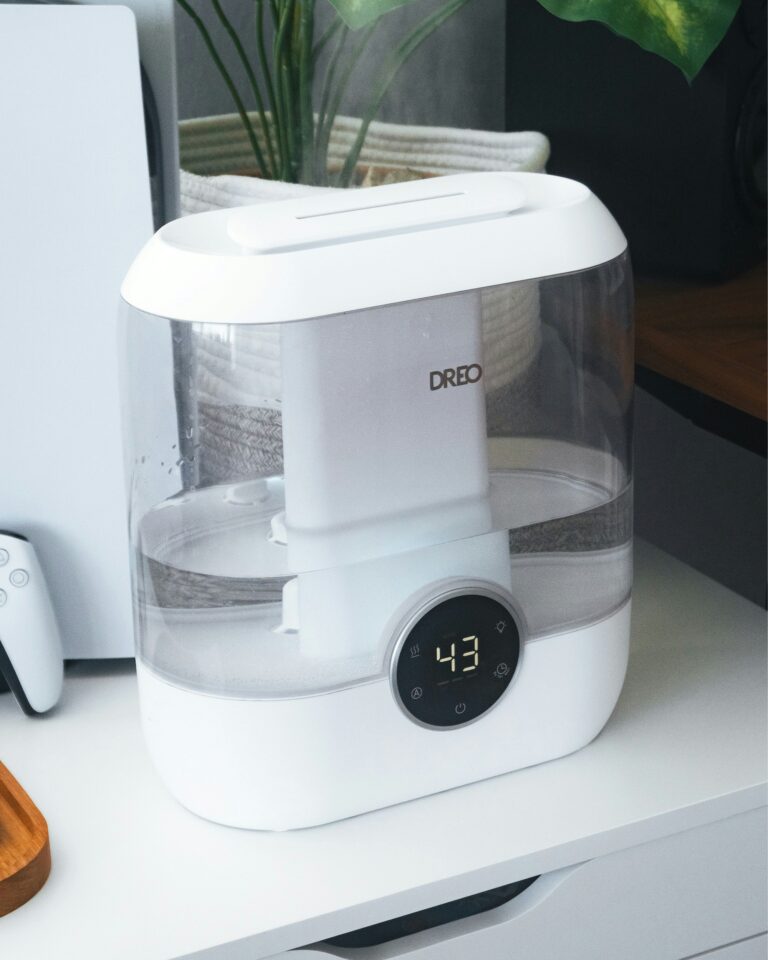
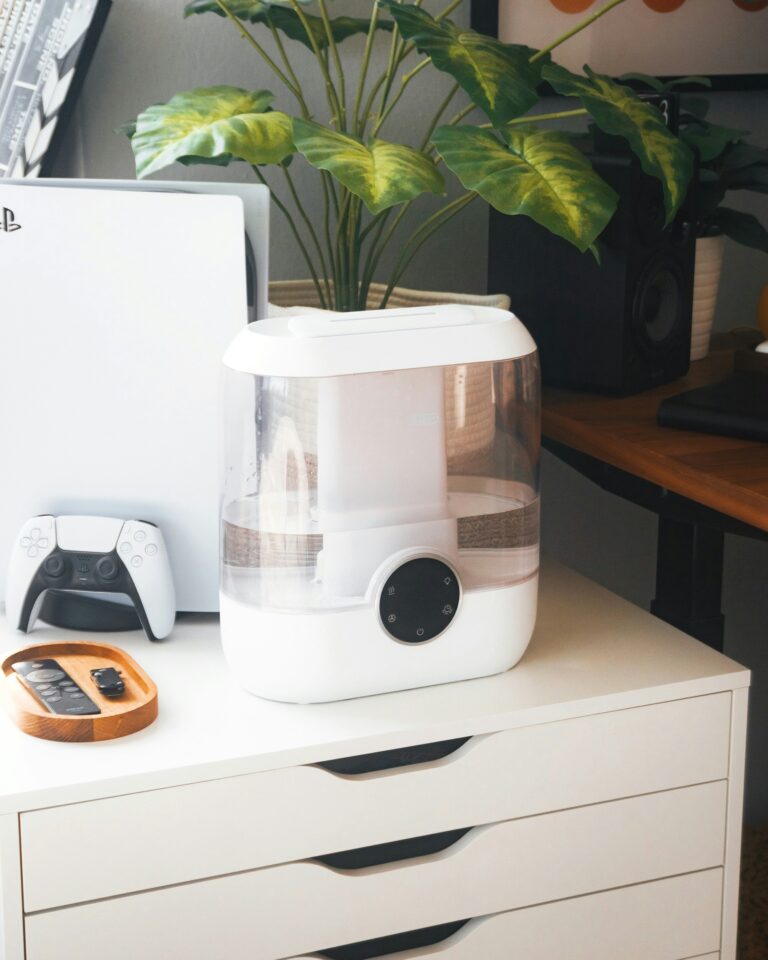
Indoor humidity can swing fast, especially in bedrooms, basements, closets, kitchens, and greenhouses. A good meter gives you a clear read on comfort, storage conditions, and whether a room needs more or less moisture support. You also avoid guessing, which matters when you’re caring for plants, instruments, wine, or a reptile enclosure. This roundup keeps the focus on simple, useful meters that fit real homes.
Quick Look At The Shortlist

TeqyAqs Mini Digital Thermometer Hygrometer 6-Pack
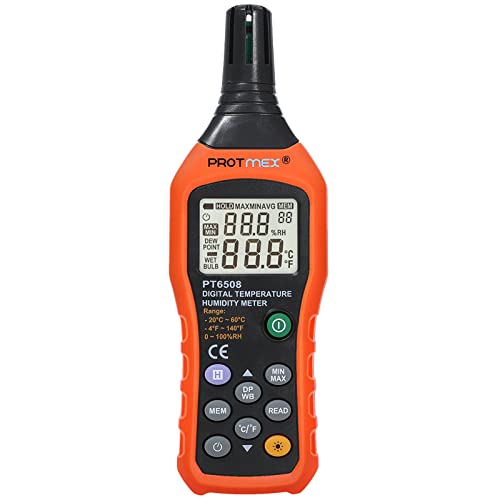
Protmex PT6508 Temperature Humidity Meter

Antonki 2 Pack Room Thermometer Indoor Hygrometer

TempPro TempAir Digital Hygrometer Indoor Thermometer

GoveeLife 2.0 WiFi Hygrometer Thermometer 3-Pack

BaldrTherm 2026 Backlit Digital Humidity Meter

Antonki Room Thermometer Indoor Hygrometer

More Details On Our Top Picks
Six compact meters make this TeqyAqs set easy to spread across the rooms that matter most. That helps in places like a greenhouse, closet, cellar, or reptile tank, where one reading rarely tells the whole story.
The small LCD layout keeps the focus on quick checks rather than app setup or extra menus. The trade-off is simple enough: you get broad coverage and basic readings, but not the deeper logging features you’ll find on the Protmex or GoveeLife picks.
Strong Points
- Six-pack coverage works well for several rooms or zones.
- Temperature and humidity in one unit cuts clutter.
- The LCD format is easy to glance at during daily checks.
- Useful in storage areas where conditions can drift unnoticed.
- Good for rotating between spaces without moving one meter around.
Things To Consider
- It stays focused on straightforward readings, so there’s less data depth.
- The compact format may be harder to read from across a room.
- Best as a simple placement tool, not a detailed climate log.
Feature Snapshot
Whose Shelf It Belongs On
You’ll appreciate this most if you want several basic meters for different corners of a home or hobby space.
Where A Sibling Pick Shines
Protmex PT6508 fits better for anyone who wants dew point, wet bulb, and more climate detail in one handheld unit.
Protmex leans into more technical climate tracking than the simpler desk-style meters in this list. Wet bulb temperature is a heat-and-moisture reading often used in HVAC work, and dew point shows the point where air starts holding too much moisture for comfort or storage.
That extra detail makes sense in a workshop, cellar, or indoor setup where you want a fuller picture, not just a quick comfort icon. The honest read is that casual room checks may not need this much data, but more involved climate monitoring benefits from it.
What We Like
- Wet bulb and dew point add real depth for climate-minded use.
- MIN, MAX, and data hold help you spot swings and pauses.
- Backlighting improves visibility in dim utility spaces.
- Indoor and outdoor use broadens where you can carry it.
- Useful for anyone comparing room air with HVAC behavior.
Minor Gripes
- The extra readings can feel like overkill for a bedroom check.
- Handheld use suits it better than a permanent wall spot.
- More functions mean a little more learning at the start.
Core Details
Built With In Mind
This suits HVAC-minded homeowners, cellar caretakers, and anyone who wants more than a basic comfort meter.
Another Choice May Suit
BaldrTherm 2026 Backlit Digital Humidity Meter fits better for you if solar assistance and a larger display matter more than deep climate data.
This Antonki two-pack keeps things refreshingly direct, which suits home offices and other everyday rooms. The kickstand matters more than it sounds, because a stable spot on a shelf or desk makes routine checks less fussy.
Max and min memory gives you a better sense of how a room behaved during the day, not just what it’s doing right now. Compared with the TeqyAqs six-pack, this one favors a smaller set of placements with a little more room-history tracking.
Positives
- Two units let you track a pair of rooms at once.
- 24-hour max and min records help you see overnight swings.
- Fast refresh keeps the display feeling current.
- Kickstand support makes desk or shelf placement simple.
- Switchable Fahrenheit and Celsius keeps it flexible.
Soft Spots
- Two-pack coverage is narrower than the six-piece TeqyAqs set.
- The small form factor is handy, but it can feel modest on a wide shelf.
- Best for steady placement, not constant moving around.
Details At A Glance
Right Fit For
You’ll get the most from this set in a home office, bedroom, or other room where you want a simple two-point view.
Swap It Out When
GoveeLife 2.0 WiFi Hygrometer Thermometer 3-Pack makes more sense for remote checks and app-based tracking across several rooms.
TempPro’s comfort icon is the kind of detail that saves time in a busy house. Dry, comfort, and wet labels turn raw numbers into a quick visual read, which helps more than people expect in kitchens, greenhouses, and shared rooms.
Compared with Antonki’s more memory-focused approach, this one feels built for immediate awareness rather than record keeping. The trade-off is that you’re leaning on a simple glance tool, so power users may want something with more logging depth.
Highlights
- Comfort icon makes the reading easier to interpret quickly.
- Refresh timing suits rooms where humidity shifts often.
- Accuracy claims are strong enough for day-to-day home use.
- Three-pack coverage helps you place one in several spots.
- Works well for quick checks in kitchens or growing areas.
Areas To Watch
- It focuses on quick visibility, not deep history.
- The house-style icon system may feel too simple for technical users.
- Three units are handy, though a single display doesn’t replace logging.
Feature Rundown
Made For
This fits households that want simple status checks in more than one room, especially in places where humidity swings are common.
Look Elsewhere When
Protmex PT6508 is the better call for anyone who wants dew point, wet bulb, and extra monitoring detail.
GoveeLife shifts this category from simple spot checks to connected monitoring, and that’s the main reason it stands apart. The gateway links through 2.4GHz Wi-Fi, so you can check conditions through the app without standing in the room, which is handy for a basement, bedroom, or wine cellar.
The longer battery life and 10-sensor gateway pairing are the kinds of details that make sense in a house with several problem spots. Still, the setup asks more of you than the plain Antonki or TempPro picks, so it suits a more committed use case.
Reasons To Buy
- App access lets you check conditions from elsewhere.
- The gateway can pair with several sensors for broader coverage.
- Two-year battery life reduces routine upkeep.
- Fast refresh is useful in rooms where moisture moves quickly.
- Alerts add real value for storage areas and sensitive spaces.
Small Caveats
- It relies on 2.4GHz Wi-Fi, so network fit matters.
- The gateway adds setup steps compared with standalone meters.
- Most casual rooms do not need this much connected monitoring.
Core Details
The Right Fit
This suits connected homes, cellar monitoring, and anyone who wants alerts instead of purely local readouts.
Consider Something Else When
TempPro TempAir makes more sense for a simpler multi-room setup that does not need app-based access.
BaldrTherm stands out because it tries to reduce the usual battery chores without giving up a large display. The solar panel works in relatively low light, and the built-in AA backup keeps the meter going when the room stays dim, which is handy in basements or shaded corners.
The 3.2-inch screen and soft orange backlight make it easier to read from a distance than the smaller Antonki and TeqyAqs units. That larger face takes more space, though, so it feels better on a desk, counter, or shelf than on a crowded ledge.
Best Bits
- Solar assistance helps reduce routine battery changes.
- Built-in backup power supports steady everyday use.
- The 3.2-inch display is easy to scan quickly.
- Backlighting helps in low-light rooms and evening checks.
- MAX and MIN tracking gives you a bit more context over time.
Worth Noting
- The larger screen needs more surface space than the mini units.
- Solar support depends on the amount of ambient light available.
- Its value makes the most sense where you want a prominent display.
Technical Sheet
Who Should Grab It
You’ll like this most if you want a larger display for a home, office, or greenhouse spot that gets at least some light.
A Better Fit Elsewhere
Antonki 2 Pack Room Thermometer Indoor Hygrometer suits a smaller footprint better when you only need two low-profile placements.
This Antonki model keeps the focus on daily room awareness, not extra bells and whistles. The comfort icons and 24-hour max/min history make it easier to tell whether a room stayed steady or drifted while you were away.
It feels especially useful in bedrooms, offices, and mixed-use spaces where comfort matters more than technical detail. Compared with the GoveeLife option, it gives you a simpler, local-first setup without the app layer.
What We Like
- Comfort icons make the display quick to understand.
- 24-hour history helps with day-to-night comparison.
- Fast refresh supports routine home checks.
- Compact size works well on desks and shelves.
- Battery-powered use keeps placement flexible.
Points To Note
- It stays simple, so power users may want more detail.
- The small housing is easy to place, but easy to overlook too.
- Best for steady room spots rather than frequent moving.
Quick Facts
Best Suited To
This works well for anyone who wants a simple, everyday meter for a bedroom, office, or similar room.
Reach For A Different Pick When
GoveeLife 2.0 WiFi Hygrometer Thermometer 3-Pack makes more sense for remote app checks and multi-room alerting.
Vaikby keeps the package lean with two compact meters and a large LCD display. That makes it a sensible fit for homes that want easy room readings without moving into app control or multi-function tracking.
The visual comfort indicator helps you judge humidity at a glance, which is useful in a bedroom, office, or small family space. Compared with the BaldrTherm unit, it gives up the larger screen and solar assistance, but it also stays lighter and simpler to place.
Upsides
- Two-pack format gives you coverage for a pair of rooms.
- The large LCD is easier to read than mini screens.
- Comfort icon helps you scan conditions quickly.
- Humidity and temperature together make everyday checks simple.
- Compact shape should fit neatly on most shelves or desks.
Honest Caveats
- It stays focused on core readings rather than broader logging.
- The small footprint is handy, though it can be easy to overlook.
- Better for basic placement than for advanced monitoring routines.
Feature Card
Built With In Mind
This is a good fit for anyone who wants a straightforward, compact meter pair for daily home use.
Another Choice May Suit
BaldrTherm 2026 Backlit Digital Humidity Meter fits better for a larger, easier-to-see display in brighter or lower-light spots.
How To Choose The Right Humidity Meters For Home
Start With The Room, Not The Gadget
Different spaces ask for different kinds of meters. A bedroom or office usually needs a simple display with quick visibility, while a greenhouse, cellar, or reptile enclosure benefits from wider reading ranges and more frequent refreshes.
You’ll also want to think about placement. A shelf-friendly meter with a kickstand works well in living spaces, while a handheld unit makes more sense for moving between rooms or checking several zones in one pass.
Match The Readout To Your Routine
Temperature and humidity are the basics, but extra functions change how useful the meter feels day to day. MAX and MIN memory helps you see what happened overnight, while dew point and wet bulb readings give a fuller view for technical spaces.
That difference matters more than it sounds. For a casual home check, an icon and two numbers may be enough, but a storage area or climate-sensitive room often benefits from deeper data.
Pay Attention To Display Quality
Screen size, backlighting, and contrast shape how easy a meter is to live with. A larger LCD helps across a room, and soft backlighting matters in basements, bedrooms, or evening checks.
Smaller units work fine for tight spaces, but the trade-off is readability. A mini meter can vanish on a crowded shelf, which is fine in a closet yet less ideal in a living room or office.
Think About Power And Placement
Battery-powered units are the easiest to move around, while solar support or longer battery life reduces routine maintenance. Smart models with Wi-Fi add remote access, which becomes useful when you want to monitor a room without walking over to it.
The right choice comes down to how hands-on you want to be. Basic meters stay simple and dependable, but connected models cost more because they add app control, alerts, and multi-sensor coverage.
Things Worth Knowing First
Mistakes Worth Dodging
Many shoppers focus on display style and skip the reading range. That can leave you with a meter that looks fine but doesn’t suit a damp basement, warm greenhouse, or storage room with wider swings.
Another common miss is forgetting how the meter will sit in the room. A tiny unit without a good stand can be awkward on a shelf, while a larger screen can be overkill in a narrow cabinet or closet.
What The Higher Tier Buys
Higher-end meters usually add better refresh speed, remote alerts, data history, and broader tracking features. Those extras matter most in spaces where conditions shift often or where you need to monitor several rooms at once.
That upgrade is worth it for wine cellars, connected homes, and other spaces that benefit from regular attention. For a basic bedroom or home office, a simpler meter often gives you the information you actually need.
Frequently Asked Questions
Do humidity meters need calibration?
Some models are set up for straightforward use, while others may need occasional comparison against a known reference. The need depends on how exact you want the readings to be.
Where should you place a home humidity meter?
Place it where air can move around it, not right beside a vent, window, or humidifier. That gives you a more useful picture of the room itself.
Is Wi-Fi worth paying more for?
Wi-Fi makes sense when you want app alerts or remote checks across several rooms. For one bedroom or office, a simple local display is usually enough.
What numbers matter most in a home?
Temperature, humidity, and any comfort indicator are the first numbers to watch. MAX and MIN memory becomes helpful once you start tracking how the room changes through the day.
Can one meter cover the whole house?
One meter can only show one spot at a time, so whole-house coverage usually needs more than one unit. Multi-pack sets make that easier without turning the setup into a project.
Closing Thoughts
The right humidity meter depends on how you live, not just how many features a listing can stack on. A simple two-number display works well for everyday rooms, while Wi-Fi, memory, and deeper climate readings earn their place in more demanding spaces. You’ll get the cleanest result by matching the meter to the room, the light level, and how often you want to check it. Keep the use case clear, and your choice gets a lot easier.