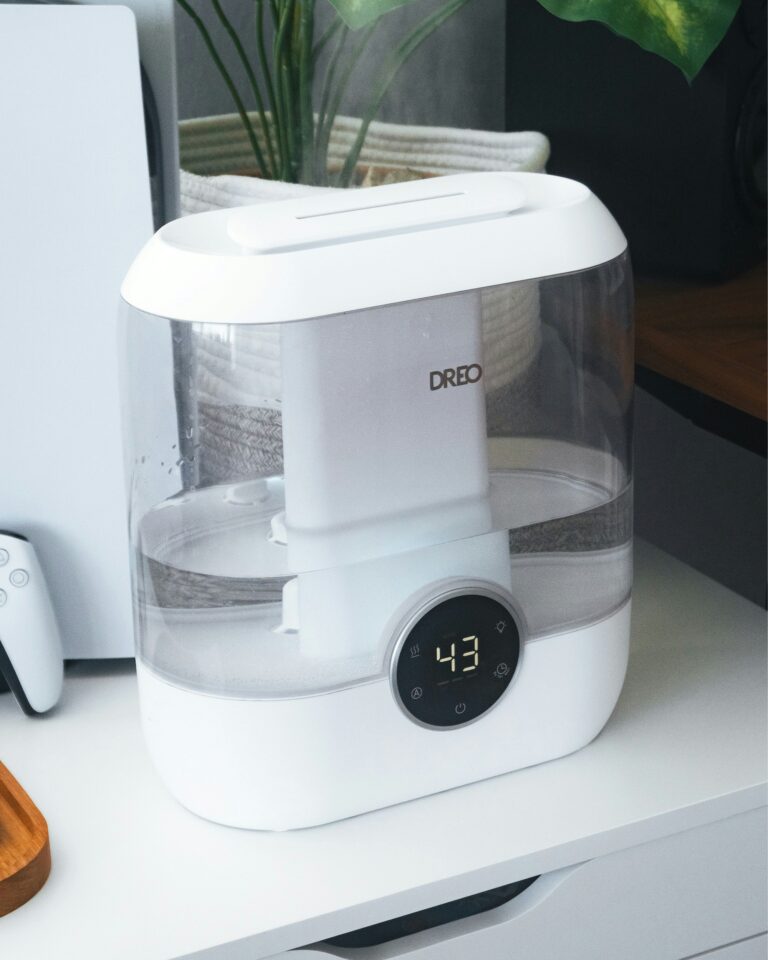
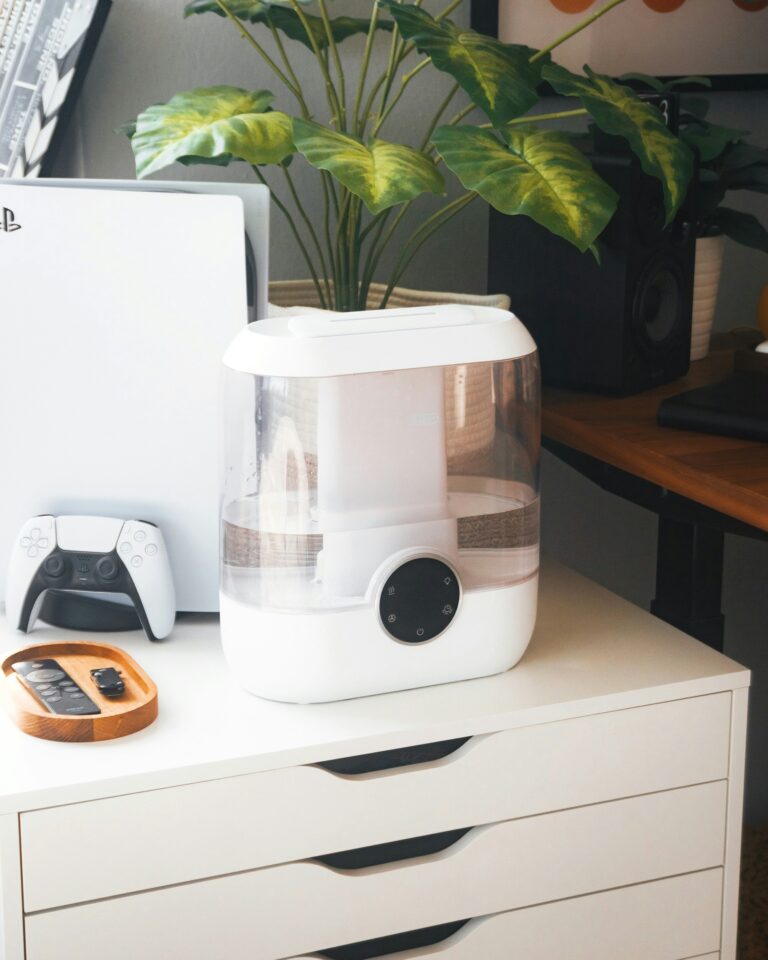
Dry air inside a heated home can show up fast, especially in bedrooms, hallways, and rooms that sit far from the thermostat. The right furnace humidifier helps take the edge off that dryness without turning your house into a damp mess. This roundup focuses on whole-home picks, a replacement part, and a large-room option, so you can match the setup to your system instead of guessing.
Quick Look At The Shortlist

AprilAire 600M Whole-House Humidifier

AprilAire 600 Whole-House Humidifier

AprilAire 700M Whole-House Fan Powered Humidifier

4040 Humidifier Solenoid Valve by AMI PARTS

AprilAire 800 Whole-House Steam Humidifier

AprilAire 400 Whole-House Humidifier

AprilAire 400M Whole-House Humidifier

VEVOR Humidifier for Home Large Room 16L
More Details On Our Top Picks
The 600M fits a home that already has a dependable furnace setup and a person who prefers to set humidity by hand. Its 5,000 square foot coverage target puts it in the serious whole-house camp, so it makes more sense for a main residence than a small add-on space.
Compared with the automatic 600, this version gives you direct control rather than a sensor-led routine. That trade-off suits hands-on owners, though it also means you stay involved when seasons shift and indoor air feels drier or more humid than usual.
Strong Points
- Manual control keeps the setup straightforward for someone who wants to decide the humidity level directly.
- Large-home coverage makes it a fit for open layouts and multi-room heating systems.
- Whole-house placement can help spread moisture more evenly than a single-room unit in a busy household.
- The white finish blends in quietly, which matters when the unit sits near living space or utility hardware.
Things To Consider
- You stay responsible for adjusting settings, so it asks for more attention than the automatic sibling.
- Like most duct-connected humidifiers, installation and seasonal upkeep take a little planning.
- The manual approach may feel less convenient for anyone who wants the system to react on its own.
Feature Snapshot
Who It Suits Best
You suit this pick best if you want a whole-home humidifier with manual control and a clear, no-frills setup.
A Better Fit Elsewhere
AprilAire 600 suits you better if you want the same coverage with automatic control handling the day-to-day adjustments.
The automatic 600 makes sense for households that would rather let the humidifier respond on its own than keep checking a dial. It covers the same size range as the 600M, but the built-in automatic behavior gives it a calmer day-to-day rhythm.
That extra convenience is the real draw, especially in a home where several people might notice dryness at different times. The trade-off is less direct control, so someone who likes hands-on adjustment may still prefer the 600M instead.
What We Like
- Automatic operation reduces the need for constant manual changes.
- The 5,000 square foot range supports bigger homes and wider heating zones.
- It suits busy schedules because the system handles humidity management with less daily attention.
- Whole-house design helps keep bedrooms and shared spaces more consistent than a portable unit.
Softer Spots
- You give up the direct control that comes with the 600M.
- Central-system installation is more involved than a tabletop humidifier.
- Seasonal maintenance still matters, so it’s not a set-it-and-forget-it forever appliance.
At A Glance
Who Should Grab It
You suit this pick best if you want large-home coverage without making humidity adjustments yourself all the time.
Swap It Out When
AprilAire 600M is the better fit if you want manual control and don’t mind a little more involvement from week to week.
The 700M steps up for homes that need a little more push from the humidifier itself. A built-in fan helps move air through the unit, which can be a sensible advantage in larger forced-air systems that need stronger circulation.
Compared with the 600 and 600M, this one reaches a bit farther at 5,300 square feet and lists 18 gallons per day of output. That makes it a stronger match for bigger homes, though the manual control still means you stay involved in the settings.
Bright Spots
- Fan-powered airflow can help the unit better serve larger ductwork setups.
- 5,300 square feet of coverage gives you a little more breathing room than the 5,000 square foot models.
- Manual control keeps the operation simple for people who prefer direct adjustment.
- 18 gallons per day is a meaningful capacity for bigger homes with steady demand.
Worth Noting
- The fan-powered design can mean more system complexity than the simpler 600 series.
- Manual adjustment still asks for occasional attention as the seasons change.
- Installation and upkeep are better suited to someone comfortable working with a central HVAC setup.
Core Details
Best Suited To
You suit this pick best if your home is larger and you want more output without moving all the way up to steam.
Where A Sibling Pick Shines
AprilAire 600 Automatic works better for you if you want similar whole-house coverage with less hands-on adjustment.
Not every furnace humidifier problem calls for a full replacement, and this valve makes sense for that kind of repair-minded owner. It’s a brass solenoid valve, meaning it’s the part that opens and closes water flow to the humidifier when the system asks for moisture.
That focus keeps it narrow but useful, especially for a homeowner trying to get a compatible Aprilaire unit back in service without replacing the whole assembly. The trade-off is obvious: you need the right model match, and a replacement part is only useful when the rest of the humidifier still makes sense to keep.
Upsides
- It targets a common failure point, which can be more practical than replacing a full humidifier.
- Brass construction gives the part a sturdier feel than basic plastic fittings.
- Compatibility with several Aprilaire series makes it relevant to a wide range of repair jobs.
- The listed electrical rating helps you match it to the right system before ordering.
Points To Note
- You need to confirm compatibility carefully, because a solenoid valve must match the humidifier model.
- Small parts like this are less forgiving of guesswork than a full unit purchase.
- Repair work can be awkward for anyone who does not already deal with furnace components.
Details At A Glance
Who Will Love This
You suit this pick best if you already know your humidifier model and need a specific repair part rather than a new unit.
Look Elsewhere When
AprilAire 600M is the better fit if your whole humidifier has aged out and you want a complete replacement instead of a part swap.
The 800 sits at the heavy-duty end of the category, and that shows up in its steam-based design. Steam humidifiers generate moisture directly rather than depending on evaporation through a panel, so they usually belong in bigger homes with serious output needs.
This model is aimed at spaces up to 10,300 square feet, which puts it far beyond the 5,000 square foot Aprilaire units in this list. The honest read is that it’s overbuilt for modest homes, but for large properties it offers the kind of capacity that can make more sense than stretching a smaller system too far.
Reasons To Buy
- Steam output suits very large homes that need a stronger humidity strategy.
- Automatic operation cuts down on day-to-day attention.
- The 10,300 square foot coverage target gives you a wide ceiling for big properties.
- Six output levels help match the unit more closely to the home’s needs.
Small Caveats
- It’s more system-heavy than the simpler evaporative models earlier in the list.
- The capacity can be far more than a smaller home needs.
- Steam units usually make the most sense for owners comfortable with a more involved install and upkeep routine.
Feature Rundown
Made For
You suit this pick best if your home is large enough that a standard evaporative humidifier would feel stretched.
Another Choice May Suit
AprilAire 700M is the better fit if your home is smaller and you want strong output without stepping into steam territory.
The 400 is the kind of furnace humidifier that appeals to someone who likes the idea of whole-home comfort without wasting water. Its automatic behavior is the big draw, and the water-saver framing points toward a more restrained, efficient style of operation.
Compared with the 600 series, it leans toward a more efficiency-minded approach than sheer output focus. That makes it a sensible middle ground for homes up to 5,000 square feet, especially when you want broad coverage but don’t want the system to feel oversized.
Plus Points
- Automatic operation keeps humidity management from becoming a chore.
- The water-saving design suits owners who prefer a more efficient whole-home setup.
- 5,000 square feet of coverage fits many large houses well.
- It’s a practical match for central heating systems that already run often in winter.
Honest Caveats
- You give up the direct hands-on adjustment found on the 400M.
- Installation still lives in the furnace-and-duct world, not the simple portable category.
- The efficiency focus can make it feel less aggressive than the fan-powered 700M.
Quick Facts
The Right Fit
You suit this pick best if you want whole-home coverage with an automatic approach and a water-conscious design.
Reach For A Different Pick When
AprilAire 700M is the better fit if you want more airflow support for a larger forced-air system.
The 400M keeps the same water-saving idea as the automatic 400, then pairs it with manual control. That makes it a straightforward choice for someone who already manages home systems directly and doesn’t need the unit to think for itself.
In a smaller furnace setup or a house where the HVAC rhythm is predictable, that manual approach can feel perfectly reasonable. The trade-off is the same one you see in the 600M, because control shifts back to you instead of staying in the background.
Best Bits
- Manual control gives you direct say over humidity settings.
- The water-saving design keeps the model aligned with efficiency-minded use.
- 5,000 square feet of coverage works well for many larger homes.
- It offers a familiar Aprilaire layout for owners who prefer consistency across the system.
Areas To Watch
- You’ll need to manage the setting yourself rather than let automation handle it.
- Like other furnace humidifiers, periodic cleaning and seasonal upkeep still matter.
- The manual style can feel less convenient in a home with changing occupancy or schedules.
Feature Card
Built With In Mind
You suit this pick best if you want a manual whole-house humidifier and already prefer to stay involved in system settings.
Where Another Pick Suits Better
AprilAire 400 is the better fit if you want the same efficiency-minded design with automatic control instead.
The VEVOR unit moves away from the furnace-mounted Aprilaire lineup and into large-room coverage, so it speaks to a different kind of setup. A 16 liter tank, 12-hour timer, remote control, and 360 degree nozzle give it a much more appliance-like feel than the ducted models above.
That makes it a useful choice for a greenhouse, a large room, or another space where you want direct placement instead of tying into a heating system. The trade-off is just as clear, because it’s not built for central duct humidification the way the Aprilaire models are.
Standout Traits
- The 16 liter tank supports longer runs between refills.
- Remote control and digital touch input make it easier to adjust from across the room.
- The 12-hour timer helps you set a schedule without babysitting the unit.
- The 360 degree nozzle gives you more flexibility in how the mist is directed.
Honest Caveats
- It’s a room humidifier, not a furnace-connected whole-home system.
- The 1,291.7 square foot coverage target suits large rooms, not an entire ducted house.
- Features like the night light add convenience, but they also move the unit further from the simple mechanical approach of the Aprilaire picks.
Technical Sheet
Right Fit For
You suit this pick best if you need a large-room humidifier with direct controls rather than a furnace-connected system.
A Better Fit Elsewhere
AprilAire 600 Automatic is the better fit if your goal is whole-house humidification through a central furnace setup.
How To Choose The Right Humidifier Furnaces
Match The Humidifier To The Heating Setup
A furnace humidifier has to fit the way your home heats, not just the square footage on paper. Whole-house evaporative models work through ducted airflow, while a steam unit creates moisture directly and a room humidifier stays outside the furnace path altogether.
That difference matters more than brand name or finish. A central system owner needs compatibility with the furnace, access for maintenance, and a layout that lets moisture move through the home evenly.
Manual Versus Automatic Control
Manual models put humidity adjustment in your hands, which suits someone who already checks the house often and likes a simple control routine. Automatic models lean on sensing and reduce the need to keep making tiny changes as weather shifts.
The trade-off is convenience against control. Manual units can feel more direct, while automatic units usually suit busy households that want less day-to-day attention.
Think In Terms Of Output, Not Just Coverage
Coverage numbers tell part of the story, but gallons per day and airflow support tell you how hard the humidifier can work. A larger home with leaky ductwork or high ceilings often benefits from a stronger output model rather than a basic unit pushed past comfort.
Fan-powered and steam designs usually sit higher on that output ladder than simple evaporative models. That extra capability can be worth it in big homes, but it also brings more complexity and, often, a more involved install.
Plan For Maintenance Before You Install
Furnace humidifiers live in the background, yet they still need attention. Water panels, valves, and seasonal cleaning matter because mineral buildup and wear can shorten useful life or reduce performance.
That’s why the most sensible choice is often the one you can actually keep up with. A simpler model you maintain regularly tends to age better than a bigger setup you leave untouched.
A Quick Reality Check Before You Decide
Mistakes Worth Dodging
The biggest mistake is treating every humidifier as interchangeable. A room unit, a duct-mounted evaporative model, and a steam humidifier solve different problems, so the right pick starts with your heating setup and your actual living space.
Another common miss is ignoring upkeep. A model that looks easy on paper can become annoying if the filter, valve, or water path is hard to reach during seasonal care.
The Upgrade Payoff
Higher-tier units usually cost more because they move more moisture, cover larger homes, or add automation and sensors. Steam systems and fan-powered designs also bring more engineering into the package, which is part of what you’re paying for.
That step up makes sense for larger homes, hard-to-humidify layouts, or households that want less fiddling. For a smaller or straightforward setup, a simpler evaporative model often feels like the smarter move.
Frequently Asked Questions
What does a furnace humidifier actually do?
It adds moisture to the air through a central heating system instead of treating one room at a time. That can make the whole home feel less dry during heating season.
Is automatic control worth it?
Automatic control makes sense for busy households that want less adjustment during the winter. Manual control suits people who like direct input and don’t mind checking settings themselves.
How do you size a humidifier for a house?
Start with the home’s square footage, then think about ceiling height, duct layout, and how much the furnace runs. A larger or less efficient home often needs more output than the floor plan alone suggests.
Do furnace humidifiers need regular care?
Yes, because water panels, valves, and mineral buildup can affect performance over time. Seasonal cleaning and part checks help the system stay dependable.
Can a room humidifier replace a whole-house model?
It can help a single room, but it won’t tie into the furnace or spread moisture through the ductwork. For whole-home comfort, a furnace-connected unit makes more sense.
Closing Thoughts
The best humidifier for your furnace setup depends on how much control you want, how large the home is, and how much upkeep you’re willing to handle. For many homes, the AprilAire 600 or 600M hits a useful middle ground, while the 700M and 800 make more sense as the space gets larger or the demand gets tougher. If you only need a repair, the AMI PARTS valve keeps the door open to a fix instead of a full replacement. Pick the setup that matches your furnace and your routine, and the rest tends to fall into place.