Crawl spaces ask a lot from a dehumidifier, especially where musty air, tight access, and uneven runoff can turn a simple fix into a weekly chore. You need a unit that fits the space, moves water where it should go, and keeps running without making you babysit it. The eight picks below cover smaller crawl spaces, bigger basements, and heavier commercial jobs, so you can match capacity and controls to the space you actually have.
Quick Look At The Shortlist

ALORAIR 70 PPD Dehumidifier with Pump for Crawl Space and Basement

ALORAIR 120 PPD Dehumidifier with Pump for Crawl Space and Basement
155 Pint Commercial Dehumidifier with Drain Hose for Crawl Spaces

Waykar 158 Pint Dehumidifier for 7500 Sq.Ft Crawl Space with Remote Control
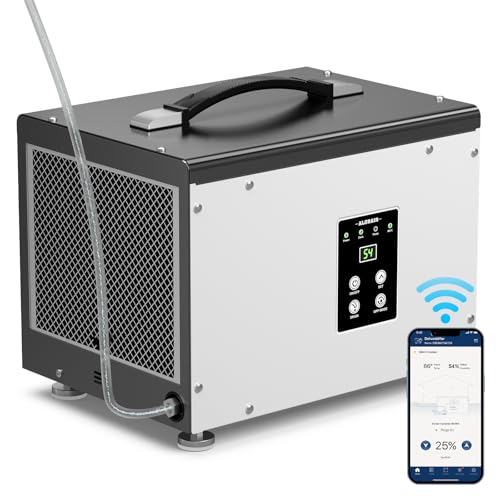
ALORAIR Wi-Fi 70 PPD Dehumidifier with Pump for Crawl Space and Basement

Waykar 125 Pint Crawl Space Dehumidifier with Pump & Drain Hose for Basements
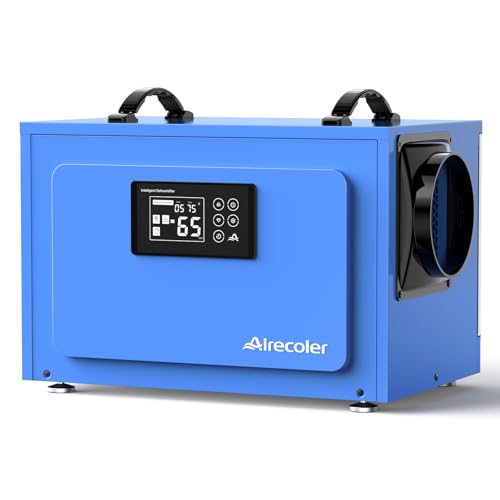
125 Pints Commercial Dehumidifier for Crawl Space & Basement

ALORAIR 120 Pints Energy Star Crawlspace Dehumidifier with Pump 1300 Sq.Ft. Sentinel HDi65S
More Details On Our Top Picks
For smaller crawl spaces, this ALORAIR keeps the setup straightforward: 70 pints of capacity, a built-in pump, and a drain hose for moving water away without constant emptying. Automatic defrost matters in cooler, damp corners because it helps the unit keep working when frost would otherwise get in the way.
Memory start is handy in utility spaces where you don’t want to reset settings after a power interruption, and the 1,000 sq. ft. coverage claim fits modest basements or tight crawl zones. Compared with the larger Waykar picks later in this list, this one feels more like a tidy, practical fit than a heavy-duty brute.
Strong Points
- Pump support simplifies drain routing in crawl spaces with awkward outflow paths.
- Memory start helps restore prior settings after brief interruptions.
- Automatic defrost supports steadier operation in cooler, enclosed areas.
- Compact coverage suits smaller foundations without overcommitting space.
Things To Consider
- The 1,000 sq. ft. coverage target is better suited to modest areas than sprawling layouts.
- Access to a proper drain path still matters, even with the pump onboard.
- Like most crawl-space units, filter and housing care will matter over time in dusty zones.
Feature Snapshot
Who It Suits Best
You benefit most from this pick when the crawl space is modest, access is tight, and you want a simple pump-assisted setup.
Where A Sibling Pick Shines
ALORAIR 120 PPD Dehumidifier with Pump for Crawl Space and Basement suits larger footprints better, especially where moisture pressure runs higher.
This ALORAIR steps up capacity to 120 pints, so it makes more sense in broader crawl spaces or basements that stay damp longer. The pump, auto defrost, and memory start combo gives you the same hands-off conveniences as the smaller model, only with more drying muscle behind it.
The 1,300 sq. ft. coverage figure places it above Item 1 for bigger jobs, though the trade-off is that it is still built around enclosed-service use rather than a decorative footprint. For a house with a generous crawl area or a stubborn basement corner, that extra capacity can matter a lot.
What We Like
- Higher 120 PPD capacity gives you more room to manage persistent dampness.
- Pump-assisted drainage reduces hassle in areas where gravity drain is awkward.
- Automatic defrost supports steadier use in cooler crawl spaces.
- Memory start is useful in spaces where settings should return after interruptions.
- Coverage up to 1,300 sq. ft. widens the practical use range beyond smaller units.
Room For Improvement
- The larger frame is less suited to very cramped access paths.
- Drain planning still matters, especially in older homes with limited routing options.
Core Details
Who Should Grab It
You should look here first for larger crawl spaces that need more drying capacity without moving into a much bulkier commercial setup.
Swap It Out When
ALORAIR 70 PPD Dehumidifier with Pump for Crawl Space and Basement fits better in tighter spaces where the smaller footprint matters more than extra capacity.
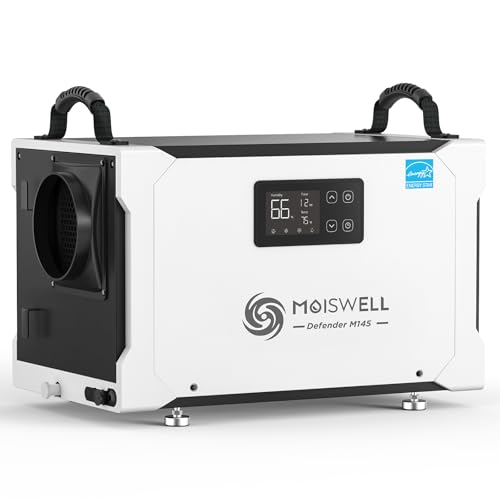
Once the moisture problem gets serious, this Moiswell model feels built for the job rather than casual maintenance. The 155-pint capacity points to large-scale water handling, and the compact, portable design helps a commercial-style unit stay practical in crawl-space access routes.
Auto defrost and memory starting are especially useful in rougher recovery scenarios, where you may not want to keep resetting controls during long run times. Compared with the ALORAIR 120 PPD units, this one leans harder into raw capacity, though that usually means you should plan placement and drainage more carefully.
Bright Spots
- 155-pint capacity suits heavier restoration work and more demanding moisture loads.
- Compact, portable build helps in spaces where movement is tight.
- Drain hose support keeps continuous runoff management simpler.
- Auto defrost and memory start reduce day-to-day handling.
Points To Note
- High capacity makes the unit a stronger match for larger or more active moisture problems than for small crawl spaces.
- Portable still does not mean light, so access paths matter.
- Regular hose checks help avoid hassles in dusty or debris-prone areas.
- The larger output can feel like more than you need for simple maintenance jobs.
Details At A Glance
The Right Fit
You get the most from this pick in bigger crawl spaces, restoration jobs, or moisture-heavy basements that need serious capacity.
Consider Something Else When
Waykar 125 Pint Crawl Space Dehumidifier with Pump & Drain Hose for Basements is the gentler fit for mixed-use homes that still want solid capacity without going as large.
Waykar takes a very different lane from the smaller ALORAIR units, because this model is built for much larger spaces and comes with remote control, dual duct support, and dual drain hoses. The 10 to 90 percent relative-humidity range gives you a wider control window, which helps in a whole-home setup where conditions change from one season to the next.
The 7,500 sq. ft. figure makes it a serious fit for large crawl spaces, basements, or whole-home moisture control, and the remote adds convenience when the unit sits in a hard-to-reach spot. The honest read is that this kind of coverage makes sense only when the space truly calls for it, because smaller areas may not need this much machine.
Upsides
- Very large coverage makes sense for sprawling crawl spaces and bigger basements.
- Remote control adds everyday convenience when access is awkward.
- Dual duct design can help support broader air handling.
- Dual drain hoses offer flexible water routing options.
- Humidity control from 10 to 90 percent gives you broad adjustment range.
Softer Spots
- The size and feature set make it more machine than a casual home fix.
- Smaller crawl spaces may not use all of its capacity.
- Installation planning matters because ducting and drainage are part of the story.
Quick Facts
Built With In Mind
You suit this pick best when the crawl space is large, the access is inconvenient, and you want a remote-friendly setup.
Look Elsewhere When
ALORAIR 70 PPD Dehumidifier with Pump for Crawl Space and Basement is a calmer fit for compact areas where a smaller footprint matters more than broad ducting.
This version of ALORAIR keeps the same 70 PPD, 1,000 sq. ft. scale as Item 1, but the Wi-Fi control changes the ownership feel quite a bit. For a second home, rental space, or a crawl space you don’t want to visit often, app-linked oversight can save you a few trips downstairs.
Portable construction, auto defrost, memory start, and the pump all point toward easy day-to-day handling rather than a complicated installation. The trade-off is simple: you are paying for more control convenience instead of more drying capacity, so it makes sense when remote checking matters more than upsizing.
Reasons To Buy
- Wi-Fi control is useful for spaces you check from a distance.
- Pump support still keeps drainage practical in tight crawl spaces.
- Portable design helps when the unit needs to be moved for service.
- Memory start and auto defrost keep operation simple in routine use.
Worth Noting
- The capacity is the same class as Item 1, so you are not stepping up in drying power.
- App control is only worthwhile when remote monitoring fits your habits.
- Like any connected unit, setup and pairing matter more than they do on a plain model.
Feature Rundown
Who Will Love This
You benefit most here when you want modest-capacity moisture control with remote monitoring for a property you do not visit daily.
A Better Fit Elsewhere
Waykar 158 Pint Dehumidifier for 7500 Sq.Ft Crawl Space with Remote Control fits larger spaces better, especially when coverage matters more than app access.
Waykar’s 125-pint model sits in a useful middle lane, with enough reach for basements and commercial-style water damage spaces up to 6,500 sq. ft. The pump and drain hose make it easier to keep water moving out of the way, which matters in crawl spaces where the drain route is rarely convenient.
Compact dimensions are part of the appeal, because a unit like this still needs to fit through access points and around joists without becoming a daily headache. Compared with the bigger 155-pint Moiswell, this one looks better suited to people who want strong drying ability without jumping all the way to the heaviest-duty tier.
Plus Points
- 125-pint capacity gives you meaningful drying power for mixed-use spaces.
- Pump and drain hose support more flexible drainage layouts.
- Compact footprint helps in crawl spaces with narrow access.
- Coverage up to 6,500 sq. ft. broadens the usable range.
Minor Gripes
- The stronger output may be more than needed in a small, dry-adjacent crawl space.
- As with most pump-based units, drain routing still deserves attention during setup.
- Compact does not mean tiny, so storage space still matters.
At A Glance
The Right Fit
You suit this model well when you want serious drying capacity, but still need a unit that can move through tighter access routes.
Another Choice May Suit
Moiswell 155 Pint Commercial Dehumidifier with Drain Hose for Crawl Spaces is the stronger match for the biggest moisture challenges and more intensive recovery work.
The Airecoler GT-X5 keeps the focus on commercial-style crawl-space drying without piling on extra complexity. You get 125 pints of capacity, a drain hose, timer control, auto defrost, and memory starting, so it covers the core conveniences that matter in long-run basement work.
The timer is the detail that separates it from some of the simpler picks above, especially for spaces where you want scheduled runtime instead of constant operation. That makes it a sensible fit for property managers or homeowners who want a little more control without moving into a larger, more intricate system.
Best Bits
- Timer control adds useful scheduling flexibility.
- 125-pint capacity gives it real drying range for commercial-style work.
- Auto defrost and memory starting support steadier operation.
- Drain hose inclusion helps with continuous water removal.
Areas To Watch
- The design still leans toward functional utility rather than a small household footprint.
- Timer-driven operation works best when you already know the space’s drying rhythm.
- In dusty crawl spaces, routine cleaning will matter just as much as capacity.
Technical Sheet
Whose Shelf It Belongs On
You fit this pick best if you want a practical commercial dehumidifier with timer control for a crawl space or basement that sees regular use.
Reach For A Different Pick When
ALORAIR Wi-Fi 70 PPD Dehumidifier with Pump for Crawl Space and Basement is better when remote monitoring matters more than scheduled runtime.
The Sentinel HDi65S feels like the most space-conscious step in the 120-pint class, with a compact body, pump support, and auto defrost for enclosed crawl-space use. The 1,300 sq. ft. coverage figure gives it enough reach for many basement-adjacent spaces, while the smaller footprint helps in installs where every inch counts.
The 6-year limited warranty sets it apart from several other picks here, and that matters to shoppers who want a longer ownership horizon on a machine that may live in a rough environment. Compared with the bulkier Waykar models, this one leans more toward cleaner installation and easier fit than sheer scale.
Standout Traits
- Compact form helps in crawl spaces with limited clearance.
- 120-pint capacity offers serious drying power in a manageable size.
- Pump support keeps water removal flexible.
- Auto defrost helps maintain function in cooler spaces.
- 6-year limited warranty gives the unit a longer coverage window than most here.
Small Caveats
- The compact build still needs enough room for service access.
- Coverage is broad, but very large spaces may still call for a bigger body or more ducting.
- Pump and drain care stay important in dusty crawl-space conditions.
Feature Card
Perfect Match For
You should look here first when you want a compact 120-pint crawl-space unit with stronger long-term coverage language.
Where Another Pick Suits Better
Waykar 158 Pint Dehumidifier for 7500 Sq.Ft Crawl Space with Remote Control is the better fit for very large areas that need remote management and broader ducting support.
How To Choose The Right Dehumidifiers For Crawl Space
Start With Space, Not Hype
Coverage and capacity should lead the decision. A 70 PPD unit suits a tighter crawl space or a smaller basement corner, while 120 PPD and higher starts making more sense once the air volume grows and the moisture problem lingers.
PPD means pounds of water removed per day under stated conditions, so it gives you a rough sense of output rather than a magic promise. Pair that number with the space size, then think about how damp the area usually gets after rain, snowmelt, or seasonal humidity swings.
Drainage And Access Matter More Than You Think
Pump support helps when the drain point sits higher than the unit or the route is awkward. A drain hose still needs a sensible path, and tight crawl spaces often punish sloppy placement.
That’s why access dimensions, service clearance, and hose routing deserve as much attention as capacity. A unit that fits on paper but blocks maintenance later can become annoying very quickly.
Control Features Should Match Your Routine
Memory start suits spaces that may lose power and then need to resume without a reset. Timer control works better for scheduled cycles, while Wi-Fi or remote control helps when the dehumidifier sits far from daily traffic.
For a vacation property, remote monitoring has real value. For a basement you visit every day, simple onboard controls may feel easier and less fussy.
Build Quality And Long-Term Use
Auto defrost matters in cooler crawl spaces because frost can interrupt normal operation. Compact housing can help with installation, though very small shells sometimes trade away easy service access.
In dusty or debris-prone areas, routine cleaning is part of ownership, not a side note. Think of it like keeping a sump area tidy, small upkeep steps tend to keep larger headaches away.
Things Worth Knowing First
Mistakes Worth Dodging
One common miss is buying for square footage alone and ignoring how wet the area actually runs. A lightly damp crawl space and a wet, recurring problem do not need the same output level.
Another easy mistake is forgetting drain routing. Even a strong pump setup still needs a sensible discharge path and enough room for the hose to sit cleanly.
The Upgrade Payoff
Higher-tier units usually cost more because they add capacity, broader coverage, stronger controls, or a more specialized body for harsher spaces. In crawl spaces, that often means a better fit for wide layouts, remote control, dual ducting, or a longer service horizon.
The extra spend makes more sense when the space is large, the moisture load is stubborn, or access is so awkward that convenience features will save real time. For a small, straightforward crawl space, a simpler model often covers the job without overcomplicating ownership.
Frequently Asked Questions
What size dehumidifier works for a crawl space?
Smaller crawl spaces often do well with 70 PPD units, while larger or damper areas usually call for 120 PPD and above. Space size and moisture level both matter.
Do you need a pump in a crawl-space dehumidifier?
A pump helps when gravity drainage is awkward or the drain point sits higher than the machine. It makes setup easier in many crawl spaces.
Is Wi-Fi control actually useful here?
It helps most in properties you do not visit often or in spaces you want to monitor remotely. For a daily-use basement, a simple control panel may be enough.
Why does auto defrost matter?
It helps the unit keep working in cooler enclosed spaces where frost can interfere with operation. That makes it especially useful in crawl spaces.
What should you check before installation?
Check access height, drain routing, and where the hose will discharge. Those three details can make the difference between smooth setup and ongoing hassle.
Final Thoughts
The right crawl-space dehumidifier is the one that fits your space, your drainage path, and your comfort with setup. Smaller homes can stay nicely covered with the 70 PPD ALORAIR options, while bigger basements and harder moisture problems lean toward the 120 PPD, 125-pint, or 155-pint models. Remote control, Wi-Fi, and timers are useful, but only when they match the way you actually use the space. Match the machine to the job, and the rest gets a lot simpler.