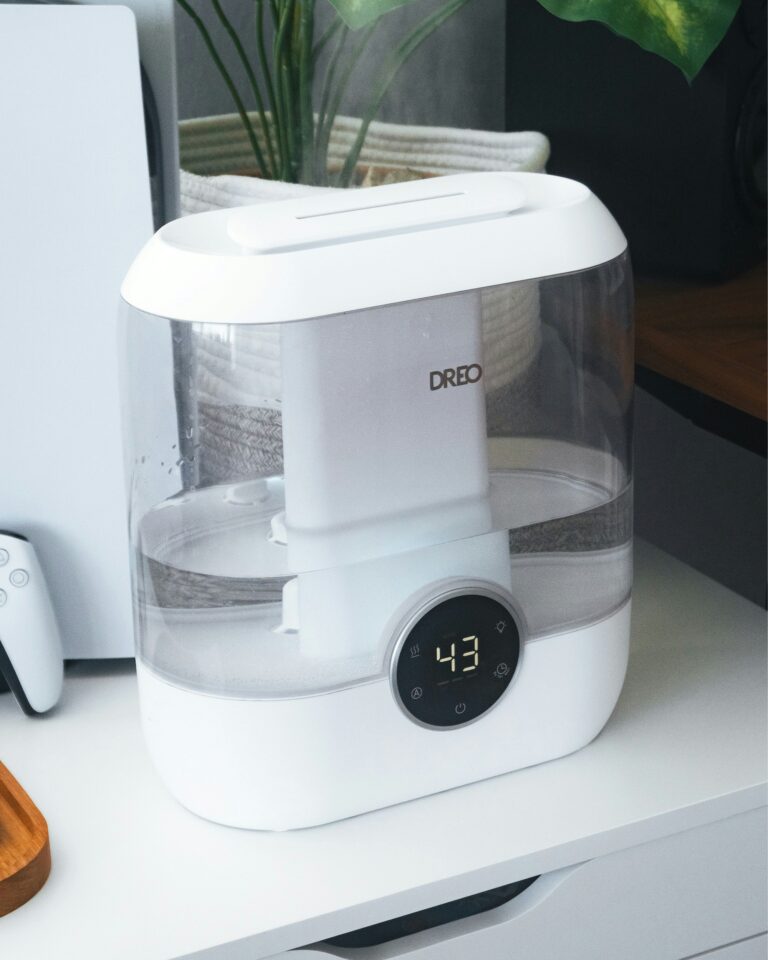
Attics turn damp fast, especially above garages, over laundry rooms, or in homes that get sticky summers and cold swings. The right dehumidifier helps you protect stored boxes, keep insulation from feeling clammy, and cut that stale, closed-up smell that creeps into upstairs spaces. This roundup focuses on units sized for larger rooms, crawl spaces, and tighter household areas, so you can match the machine to the space instead of guessing.
You’ll also see a mix of pump-equipped, gravity-drain, and tank-based designs, because attic layouts vary more than people expect. Some setups are easy to route to a drain, while others need a compact tank or a unit that can sit closer to the access hatch. The best choice is the one that fits your space, your drainage plan, and how often you want to empty water.
Quick Shortlist For Tight And Large Spaces

AEOCKY 4500Sq.Ft 74Pint/D Energy Star Version 6.0 Dehumidifier

ALORAIR 70 PPD Dehumidifier with Pump

NineSky Dehumidifiers for Home 1000 Sq.Ft 95oz Water Tank Grey

NineSky Dehumidifiers for Home 1000 Sq.Ft 95oz Water Tank Black

DGVAM 4500 Sq. Ft Dehumidifier Max 80 Pint

SEMKAP 2500 Sq.Ft Dehumidifier for Basement with Drain Hose 32 Pints
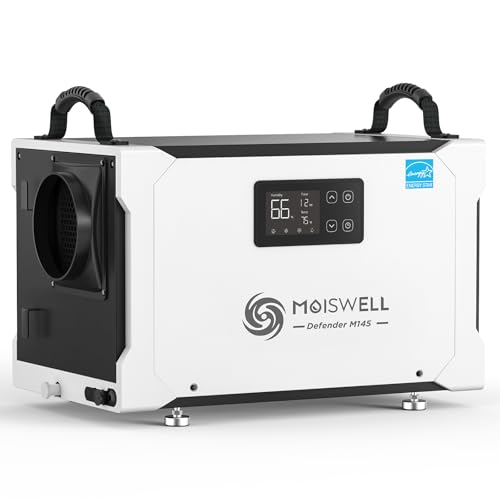
Moiswell 155 Pint Commercial Dehumidifier with Drain Hose for Crawl Spaces

AEOCKY Dehumidifier with Pump Energy Star Most Efficient 2025 4500 Sq.Ft
This AEOCKY model makes sense for a large attic that behaves more like a storage room than a spare closet. The 74-pint-per-day rating gives you a clear sign that it’s aimed at bigger, damp spaces, while the included drain hose helps when you want water moved away instead of emptying a tank by hand.
Compared with the smaller NineSky units below, this one is built for heavier moisture loads and less babysitting. The trade-off is obvious, it’s a bulkier fit, so it suits attics with a steadier floor area and an easy path to drainage.
Strong Points
- Higher-capacity design fits larger attic spaces better than compact room units.
- Drain hose support reduces the chore of frequent tank emptying.
- Intelligent humidistat helps the unit respond to changing moisture levels instead of running blindly.
- Energy Star Version 6.0 points to a more efficiency-minded setup for longer run times.
- Also works well in bedrooms, baths, and other overflow spaces, so it can move around the house.
Things To Consider
- Better suited to larger floor plans than cramped attic knee-wall corners.
- Drain routing matters, so placement is easier in attics with nearby access to a drain path.
- Like most larger compressor units, it needs space around it for airflow and service access.
Feature Snapshot
Who It Suits Best
Large-home owners who need attic-level moisture control and prefer fewer water-emptying chores will get the most from this one.
Where A Sibling Pick Shines
AEOCKY Dehumidifier with Pump Energy Star Most Efficient 2025 4500 Sq.Ft suits you better when you want similar coverage with pump-assisted drainage for a more hands-off setup.
ALORAIR leans into crawl-space style jobs, which also makes it a sensible attic option where drainage is awkward. The built-in pump matters because pump-assisted drainage can move water upward or across a longer run, so you’re not tied to gravity alone.
That’s a meaningful difference from the AEOCKY above, which is roomy but more ordinary in how it handles drainage. The memory start and automatic defrost are useful in spaces that cycle through cooler conditions, since the unit is designed to remember settings and keep frost buildup from getting in the way.
What We Like
- Pump drainage helps in attics and crawl spaces where a direct downhill path is hard to arrange.
- Automatic defrost supports steadier operation in cooler, changing conditions.
- Memory start is handy after power interruptions or routine shutoffs.
- Up to 1,000 square feet is a practical fit for smaller attic zones and adjacent utility rooms.
Worth Noting
- The 1,000-square-foot coverage is smaller than the larger-capacity units in this roundup.
- Pump setups add a little more planning at installation, especially for hose routing.
- Commercial-leaning design can feel more utilitarian than the household-focused NineSky choices.
Core Details
Best Suited To
You’re the right match for this model if your attic, crawl space, or utility area needs pump drainage more than raw coverage.
Look Elsewhere When
DGVAM 4500 Sq. Ft Dehumidifier makes more sense for larger attic spaces where a wider coverage range matters more than pump-based flexibility.
The grey NineSky is the sort of unit that works well in a smaller attic room, hobby space, or finished corner where you want low-drama humidity control. Its 95-ounce tank gives you a clear, small-footprint setup, and the auto shutoff matters because it stops the machine once the tank fills.
Compared with the ALORAIR, this is much more of a home-friendly tank option than a drainage-first unit. The 7-color ambient light is a style touch, though the honest read is that it matters more in visible rooms than in a dark attic.
Upsides
- Compact size suits smaller attic rooms and tighter household spaces.
- 95-ounce tank gives you a simple setup without plumbing a drain line.
- Auto shutoff helps keep water from overflowing the reservoir.
- Quiet operation is useful for homes where the attic is close to bedrooms or living areas.
- Also fits bathrooms and bedrooms, so it can move around as your needs change.
Small Caveats
- The tank-based design means you still need to empty it regularly.
- Coverage suits smaller zones more than broad, unfinished attics.
- The ambient light is a side feature, not a core reason to choose it.
Details At A Glance
Who Should Grab It
You’ll appreciate this one most in a smaller attic nook, finished storage room, or bedroom-adjacent space where a tank is easier than hose routing.
Swap It Out When
ALORAIR 70 PPD Dehumidifier with Pump suits you better when drainage needs are more awkward and you want a pump instead of a tank to manage water.
The black NineSky version covers the same core territory as the grey model, but its darker finish may blend more easily into storage-heavy spaces. That matters in attics where the unit sits in view near shelving, because a quieter-looking shell can feel less intrusive.
Like its sibling, it’s a 1,000-square-foot, tank-based dehumidifier with auto shutoff and a 95-ounce reservoir. The trade-off stays the same too, since you’ll still need to empty water by hand, which suits routine household use better than out-of-the-way, hard-to-reach attics.
Best Bits
- Darker finish may suit utility areas and darker attic storage zones.
- Simple tank setup keeps installation straightforward.
- Auto shutoff adds a useful layer of day-to-day convenience.
- Quiet profile makes it easier to live with in nearby rooms.
Points To Note
- Manual tank emptying still comes with the territory.
- The 1,000-square-foot reach is better for smaller attic sections than whole-house scale jobs.
- Finish choice is about appearance, not a different performance package.
Feature Rundown
The Right Fit
Choose this one for smaller attic spaces where a low-fuss, plug-and-play setup matters more than heavy-duty drainage.
Reach For A Different Pick When
AEOCKY 4500Sq.Ft 74Pint/D Energy Star Version 6.0 Dehumidifier is the better fit for larger attic zones that need more coverage and a drain hose.
DGVAM moves back into large-room territory, which is a better match for broad attics and finished upper levels that hold moisture for too long. The compressor design, drain hose, and smart humidity control point to a setup that’s meant to run in the background while you get on with the rest of the house.
Compared with the AEOCKY 74-pint model, this one reaches the same general size class but frames the job with a max 80-pint rating and quiet-bedroom language. The catch is that larger compressor units usually ask for a little more floor space, so placement still needs a bit of planning.
Reasons To Buy
- Large-space rating suits attic spans that feel more like open rooms than tucked-away corners.
- Drain hose support is handy for longer runtimes.
- Smart humidity control helps the machine follow your set level rather than running loosely.
- Quiet operation language makes it a reasonable fit near bedrooms or shared living areas.
- Energy-efficient positioning may appeal to households that expect steady seasonal use.
Areas To Watch
- Large compressor units are less convenient in cramped attic access points.
- Floor clearance and hose path matter more here than on compact tank models.
- The feature set is broad, so the setup can feel less minimal than the NineSky units.
Quick Facts
Whose Shelf It Belongs On
This fits you well when your attic is large, regularly used, and worth keeping at a steadier humidity level through the year.
Another Choice May Suit
NineSky Dehumidifiers for Home 1000 Sq.Ft 95oz Water Tank Grey is easier to live with in a smaller attic nook where you want a simpler, tank-based routine.
SEMKAP sits in a very usable middle ground, especially for attic sections that are bigger than a small room but not truly sprawling. The 32-pint output and drain hose point to a setup that’s easier to live with in everyday household use, and the 24-hour timer gives you a cleaner way to manage runtime.
Compared with the larger DGVAM and AEOCKY units, this one is easier to place and less aggressive in scale. You may find that balance useful in a finished attic, because the smart compressor and humidity control keep it feeling more like a domestic appliance than a utility machine.
Plus Points
- Mid-size coverage is useful for attic rooms that need more than a compact unit but less than a commercial one.
- Drain hose support cuts down on repetitive tank handling.
- 24-hour timer helps you line it up with your household routine.
- Smart compressor design supports more measured operation.
- Low-noise positioning makes it easier to live with near finished spaces.
Softer Spots
- The 32-pint format is not aimed at very large attic floors.
- Timer-based use asks for a little planning around your schedule.
- Drain hose setup still needs a sensible route, even though it’s simpler than a pump system.
Feature Card
Made For
You’ll get the most out of this model in a medium attic, finished storage area, or basement room that needs steady control without a bulky footprint.
A Better Fit Elsewhere
Moiswell 155 Pint Commercial Dehumidifier works better for industrial-style moisture problems or much larger crawl-space jobs.
Moiswell is the heavy mover in this group, built for crawl spaces, basements, and commercial-style water damage recovery jobs. The 155-pint rating tells you this is far beyond a casual bedroom unit, so it belongs where moisture is persistent and the area is worth treating as a serious project.
Compared with the SEMKAP, the difference is scale, not just style. Memory starting, auto defrost, and a compact portable frame make it easier to manage than many units this size, though the honest trade-off is that the industrial focus may be more than most attics actually need.
Highlights
- Very high capacity suits severe moisture conditions and larger enclosed spaces.
- Compact portable design helps a large unit move more easily than many commercial models.
- Auto defrost supports steadier operation in cooler crawl-space style environments.
- Memory starting is useful when the unit is expected to restart without fuss.
- Drain hose support makes long-run water removal more practical.
Room For Improvement
- The output level is more than most attics require.
- Commercial focus can feel oversized for a simple home storage attic.
- Large-capacity gear usually deserves a more thoughtful storage and service plan.
Technical Sheet
Built With In Mind
You’re the right fit for this model when your attic is part of a larger moisture problem that reaches into crawl spaces or utility zones.
Skip It When
SEMKAP 2500 Sq.Ft Dehumidifier for Basement with Drain Hose 32 Pints is the calmer choice for a normal finished attic that doesn’t need commercial-scale output.
This AEOCKY model is the most set-it-and-forget-it leaning of the bunch, thanks to the pump and the larger-room coverage. For attic installs where moving water to a drain is the main annoyance, that pump can feel like the difference between a workable setup and a clumsy one.
Unlike the earlier AEOCKY without a pump, this version gives you a more flexible drainage story while keeping the same broad 4,500-square-foot class. The intelligent humidistat keeps the unit tied to actual moisture levels, and the 80-pint daily rating puts it in the same serious territory as the DGVAM.
Bright Spots
- Pump-assisted drainage is the main reason to step up to this model.
- Large-area coverage suits attics that behave like full-size living or storage zones.
- Intelligent humidistat helps keep humidity in a set range.
- Max 80 pints per day puts it in a strong capacity class for persistent moisture.
- Helpful for households that want fewer hands-on water-management chores.
Honest Caveats
- Large capacity means it takes a more deliberate spot in the room.
- Pump plumbing asks for a little planning before placement.
- The feature set is strongest for moisture control, not for compactness.
Feature Rundown
Perfect Match For
Choose this one for large attics and upper-floor spaces where pump drainage saves time and keeps the setup tidy.
A Better Fit Elsewhere
NineSky Dehumidifiers for Home 1000 Sq.Ft 95oz Water Tank Black is the easier choice for a smaller attic room where a tank-based model is enough.
How To Choose The Right Dehumidifiers For Attic
Start With The Space You’re Really Drying
Attics rarely behave like clean, square rooms on a spec sheet. Sloped rafters, insulation, stored boxes, and limited access all affect where a unit can sit and how air moves through the space.
Coverage numbers matter, but they matter most when you match them to your actual floor area and how enclosed the attic feels. A 1,000-square-foot unit can work fine in a smaller finished attic, while a 4,500-square-foot model is better for broad, open zones that hold damp air longer.
Think in terms of use, too. A storage attic that only needs seasonal moisture control can live with a simpler setup, while a regularly used upper-level room benefits from steadier capacity and easier drainage.
Drainage Style Changes The Whole Experience
Drainage is where attic ownership gets practical fast. A drain hose works well where you can send water downhill or into an existing drain path, while a pump helps when the outlet sits higher or farther away.
Tank-based units are the simplest to place, but they ask for more manual emptying. That trade-off is fine in a nearby room, yet it gets old in a hard-to-reach attic with a steep pull-down ladder.
For most attics, the drainage plan matters as much as the moisture rating. A unit that fits the path for water usually feels easier to live with than a stronger model that still leaves you hauling a bucket.
Match Capacity To How Often The Space Stays Damp
Daily moisture and occasional humidity are different jobs. A compact household unit can handle a finished attic or small storage zone, while a commercial-leaning machine makes more sense in persistent dampness, crawl-space style conditions, or post-leak cleanup.
Higher pint ratings usually bring faster water removal and steadier performance in larger spaces. The trade-off is size, noise, and more careful placement, so the strongest unit is not always the most comfortable one to keep in place.
That’s why the middle ground matters. SEMKAP and the NineSky models suit homeowners who want a calmer footprint, while Moiswell and the larger AEOCKY units are better when moisture is stubborn and the space is worth treating more aggressively.
Small Features Can Make Daily Use Easier
Humidistats, timers, auto shutoff, memory start, and auto defrost are not flashy extras, but they change how much attention the unit asks from you. A humidistat is the sensor that turns the machine on and off based on air moisture, which keeps it from running harder than needed.
Memory start helps after an outage or routine shutdown, and auto defrost matters in cooler attics where frost can interfere with operation. Those details matter more than ambient light or finish color, especially in spaces you don’t visit every day.
Choose the controls that fit your routine, not the ones that look impressive on paper. That keeps the attic more manageable through humid months and shoulder seasons.
What To Weigh Before You Choose
Mistakes Worth Dodging
One common slip is overbuying capacity for a small attic nook, then dealing with a unit that takes up more room than it solves. The reverse also happens, and a tank-based compact model can feel undersized in a broad, damp upper floor.
Another miss is ignoring drainage access. A dehumidifier can look ideal on paper, then become awkward the moment you realize the hose path is too short or the pump is unnecessary for your layout.
Where The Extra Money Goes
Higher-tier units usually pay for stronger capacity, pump drainage, smarter humidity control, and more durable commercial-leaning construction. Those features matter most in larger attics, crawl-space hybrids, or homes where moisture stays stubborn for long stretches.
Spending up makes sense when the attic is hard to reach, frequently damp, or important enough that you want fewer manual chores. For a lighter-use storage attic, a simpler mid-size unit often feels like the calmer choice.
Frequently Asked Questions
What size dehumidifier works best for an attic?
The best size depends on the attic’s actual floor area and how tightly sealed it feels. Smaller finished spaces often suit compact 1,000-square-foot units, while bigger open attics call for much larger coverage.
Is a pump better than a drain hose?
A pump helps when water has to travel upward or farther away from the machine. A drain hose is simpler when gravity can do the work.
Do tank-based models make sense for attics?
They can work well in smaller attic rooms or finished spaces near easy access points. They’re less convenient when the attic is hard to reach and you want less hand-emptying.
What extra features matter most?
Humidity control, auto shutoff, memory start, and auto defrost are the practical ones to watch. They make the unit easier to live with across changing seasons.
Should you choose a commercial-style model for home use?
That depends on how damp and how large your attic is. Commercial-style machines fit serious moisture problems, but a smaller home unit is often easier to place and maintain in a normal attic.
Closing Thoughts
The right attic dehumidifier is the one that matches your space, your drainage path, and how much daily attention you want to give it. AEOCKY and DGVAM suit large areas, while NineSky and SEMKAP stay friendlier for smaller attic rooms and easier routines. ALORAIR and Moiswell step in when drainage or moisture load gets more demanding. Pick the unit that fits the room you actually have, and the rest of the job becomes much easier.