Choosing central cooling is never just about raw capacity. You’re also weighing installation style, power needs, heating support, and how much space the system is meant to cover, whether that’s a small apartment, a split-level home, or a whole-house setup.
This roundup keeps those real-world trade-offs front and center. You’ll see compact ductless options, full central systems, and portable relief, so you can match the unit to your layout instead of forcing your space to fit the equipment.
The Shortlist At A Glance
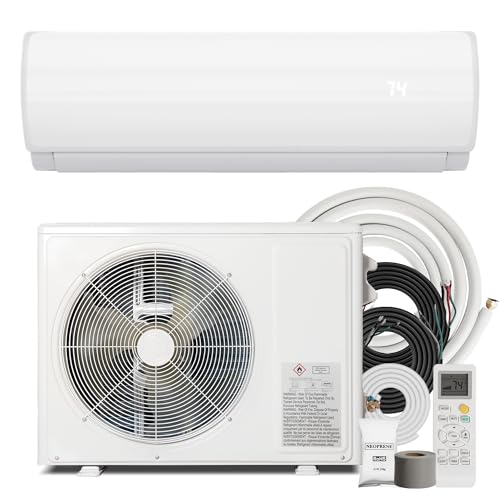
Nexaro 12000BTU Mini Split Heat Pump 19 SEER2
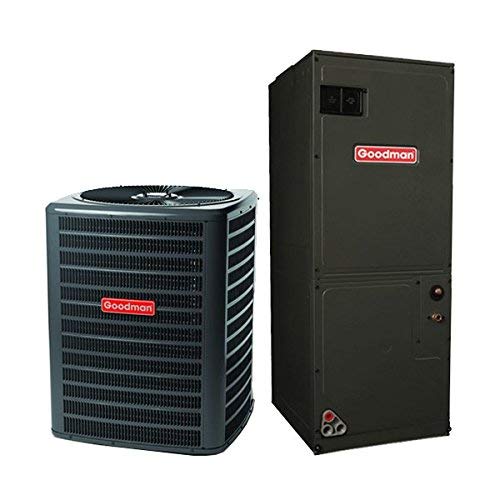
Goodman 3 Ton 14.5 SEER2 Condenser with Multi-Positional Air Handler
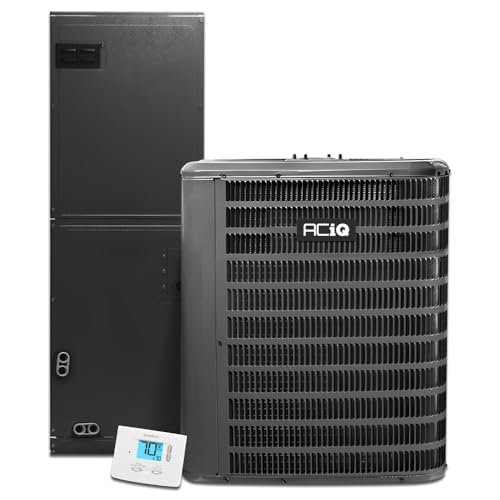
1HVAC ACiQ 2.5 Ton 14.5 SEER2 Heat Pump System

Senville Central Air Conditioning System 5 Ton Heat Pump 10kW Aux
Mountman 10000 BTU Portable AC 4-In-1

MRCOOL VERSAPRO Central Ducted Split System 5 Ton 15.2 SEER2

TOSOT 60,000 BTU Ducted Central Air Conditioner Heat Pump System
More Details On Our Top Picks
For a bedroom, den, or small open-plan space, this Nexaro unit keeps the setup fairly focused. The 19 SEER2 inverter compressor means the system can adjust output more smoothly than a basic on-off design, which usually helps comfort feel steadier across the day.
The 115V power requirement matters too, since it can fit some homes more easily than higher-voltage equipment. The trade-off is simple: you’re looking at a room-scale solution, not a whole-house machine, so the 750 sq. ft. coverage ceiling is the number to respect.
Strong Points
- Heat pump operation gives you both cooling and heating in one system.
- 19 SEER2 efficiency is a sensible fit for daily use in occupied rooms.
- The pre-charged condenser and install kit can simplify the planning stage.
- 115V power keeps it friendlier for some smaller home setups.
Small Caveats
- The coverage range fits rooms better than larger living areas.
- Mini split installation still calls for careful placement and proper setup.
- White hardware can show dust more easily in busy rooms.
Feature Snapshot
Who It Suits Best
This fits you best when you want a single-room or modest-zone system with heating included.
A Better Fit Elsewhere
Goodman 3 Ton 14.5 SEER2 Condenser with Multi-Positional Air Handler suits you better for a traditional whole-home ducted setup with more square footage to cover.
This Goodman setup feels aimed at a standard ducted home more than a compact room. The multi-positional air handler gives you some flexibility during installation, which matters in basements, closets, and tight mechanical spaces where layout rarely behaves.
One thing worth noting, though, is that this listing is for cooling only, so it belongs in homes that already have a separate heat source. Compared with the Nexaro mini split, this is the more traditional central option, but it asks for a more committed whole-system install.
What We Like
- Three-ton sizing suits a more conventional central-air footprint.
- Multi-positional air handler flexibility helps with placement.
- R32 refrigerant is part of the current generation of HVAC designs.
- The included thermostat can simplify the parts list for planning.
Worth Noting
- This model does not provide heating on its own.
- Central HVAC install work is more involved than a portable or room unit.
- You’ll want the home’s ductwork and sizing checked carefully before committting.
Details At A Glance
Made For
This suits you best when you want a conventional ducted cooling system for an existing central-air home.
Another Choice May Suit
1HVAC ACiQ 2.5 Ton 14.5 SEER2 Heat Pump System is the better fit for you when you want heating and cooling from the same package in a smaller home.
Compared with Goodman’s cooling-only setup, this 1HVAC package is built for homes that want both heating and cooling from one system. The 2.5-ton size keeps it in a more moderate range, while the multi-positional air handler gives installers more room to work with the layout.
The ECM blower, or electronically commutated motor, is the detail that stands out for everyday comfort. It usually means finer airflow control than a basic blower, which is handy in homes where some rooms always seem to run warmer or cooler than the rest.
Upsides
- Heat pump design handles both seasons in one system.
- ECM blower supports smoother airflow control.
- Factory-installed TXV kit adds a useful setup detail.
- All-aluminum evaporator is a sensible durability feature for long-term ownership.
- The 5kW electric heat package helps cover colder stretches.
Areas To Watch
- The 2.5-ton size suits smaller homes more than sprawling floor plans.
- Heat-pump systems still depend on correct sizing and installation.
- More features also mean more parts to understand during service.
Core Details
Right Fit For
This is a strong match for you if you want a smaller ducted system that handles year-round comfort without separate cooling and heating equipment.
Skip It When
Senville’s 5 ton heat pump system makes more sense for you when the home is larger and you need more total air output.
This Senville system is sized for more demanding homes, and the 5 ton capacity makes that clear right away. You also get 10kW of auxiliary heat, which can help take the edge off during colder stretches without forcing a separate heating package into the picture.
Compared with the 1HVAC 2.5-ton setup, this is the pick for larger floor plans and bigger airflow needs. The honest read is that it’s not the easiest path for a casual install, but for a large house that needs serious central coverage, the scale is the point.
Reasons To Buy
- Five-ton output fits larger homes and roomy layouts.
- Heat pump operation gives you cooling and heating in one system.
- 10kW auxiliary heat adds a useful backup layer.
- 55,000 BTU airflow capacity is built for bigger spaces.
Points To Note
- The size is more than many average homes need.
- Large central equipment usually calls for careful planning and professional install work.
- Utility-room space and duct capacity both matter here.
Feature Rundown
Whose Shelf It Belongs On
This belongs in your shortlist if you need a central system for a larger home and want heating support built into the same package.
Where A Sibling Pick Shines
Mountman 10000 BTU Portable AC 4-In-1 is the easier match for you when you need temporary cooling in a bedroom, office, or rental room.
This is the kind of unit you keep in mind for bedrooms, home offices, and rentals where permanent installation isn’t worth the hassle. Cooling, fan, dehumidifier, and sleep mode make it more versatile than a single-function portable unit, and the LED display keeps the controls easy to read.
The 24-hour timer and remote are useful in daily life, especially in spaces where you don’t want to walk back to the unit every hour. Compared with the Nexaro mini split, it gives you much more flexibility and much less installation burden, though it won’t bring the same built-in permanence.
Best Bits
- Four operating modes cover cooling, air movement, drying, and nighttime use.
- Portable format works well in rooms that change purpose often.
- Timer and remote support easier day-to-day control.
- The window kit helps make setup more practical for temporary placement.
Softer Spots
- Portable units usually take up floor space in the room.
- Window-kit installs need a suitable opening and a little upkeep.
- The cooling range suits individual rooms better than open whole-home layouts.
Quick Facts
Built With In Mind
This suits you best when you need portable cooling for a bedroom, office, dorm, or rental with limited install options.
A Better Fit Elsewhere
Nexaro 12000BTU Mini Split Heat Pump 19 SEER2 is the stronger fit for you when you want a quieter permanent room system with heating included.
Compared with the Senville 5 ton system, this MRCOOL package leans harder into efficiency-minded design. The 15.2 SEER2 rating gives you a more modern efficiency benchmark, and the DC inverter compressor should be appealing in homes where steadier temperature control matters.
The included 35-foot line set also makes planning easier for some installs, though that same detail can be limiting if your layout asks for a different run. The overall feel is strong for homeowners who want a high-capacity ducted system with a bit more refinement in how it operates.
Pare-Poised Traits
- Five-ton capacity suits larger central-air applications.
- 15.2 SEER2 efficiency gives you a solid upgrade path.
- Inverter technology usually supports steadier output and less cycling.
- The 35-foot line set adds useful install convenience.
Room For Improvement
- The line-set length may or may not fit every layout cleanly.
- High-capacity ducted systems still need careful sizing and install planning.
- It makes more sense for homeowners committed to a major HVAC project.
Technical Sheet
Who Should Grab It
This is a smart match for you if you want a large ducted heat pump and care about more modern efficiency features.
Look Elsewhere When
TOSOT 60,000 BTU Ducted Central Air Conditioner Heat Pump System suits you better when you need extreme temperature-range performance.
This TOSOT system is the most climate-stretched option in the group, and that matters a lot for homes in places with harsh summers and winters. The stated operating range from -22 to 130 degrees Fahrenheit gives you a wider comfort envelope than the more typical central-air picks above.
Its two-stage compressor design is another important detail, since two-stage equipment can run more gently at lower demand and push harder when the home calls for it. Compared with the MRCOOL VERSAPRO, this one is the stronger fit for you when extreme outdoor temperatures matter more than line-set convenience.
Highlights
- Wide operating range supports use in very hot and very cold climates.
- Five-ton capacity is built for substantial central-air demands.
- Two-stage compressor design can suit homes with changing load needs.
- 25-foot copper line set gives you a useful install reference.
- 18.5 SEER2 efficiency is a strong marker for this class.
Honest Caveats
- The system is large and expects a serious HVAC installation.
- High-efficiency ducted equipment tends to reward careful sizing.
- The climate range is impressive, but it still depends on a proper home match.
At A Glance
The Right Fit
This belongs on your shortlist if you live in a place with severe seasonal swings and want a heavy-duty ducted heat pump.
Reach For A Different Pick When
Mountman 10000 BTU Portable AC 4-In-1 makes more sense for you when you only need temporary cooling in one room.
How To Choose The Right Ac Central Air Units
Match Capacity To Your Floor Plan
Central systems live or die by fit, not hype. A 2.5-ton or 3-ton setup usually suits smaller homes or tighter ducted layouts, while 5-ton systems are aimed at larger floor plans that need more airflow.
Coverage claims matter, but they only make sense next to your home’s actual square footage, duct condition, and insulation. The safer move is to treat tonnage as a starting point, then think about how many rooms really need even cooling.
Decide Whether Heating Belongs In The Same Box
Some picks here are cooling only, while others are heat pumps that handle both seasons. That difference changes your whole purchase, because a heat pump can simplify equipment count and reduce the need for separate winter hardware.
Cooling-only systems fit homes that already have heat handled elsewhere. Heat pump systems suit you better when one installation should cover year-round comfort without turning the mechanical room into a patchwork of separate devices.
Look Closely At Installation Flexibility
Multi-positional air handlers, line-set length, power requirements, and whether a condenser arrives pre-charged all affect install planning. Those details are easy to skip on a product page, but they shape labor, placement, and how smoothly the job goes.
Portable units avoid the deeper install work, yet they also give up permanence and whole-home reach. Mini splits sit in the middle: more commitment than a portable unit, less system-wide complexity than some full ducted builds.
Use Efficiency As A Long-Term Filter
SEER2 is a cooling efficiency rating, and higher numbers generally point to less electricity used for the same class of equipment. That doesn’t mean every high-SEER2 system is the right fit, but it does matter for homes with long cooling seasons.
Inverter compressors, ECM blowers, and two-stage compressors often cost more because they can manage output in finer steps. For daily comfort, that usually means fewer rough temperature swings and a system that feels less abrupt.
Things Worth Knowing First
Wrong Turns To Avoid
One common mistake is treating tonnage as the only number that matters. A large system in a small home can short-cycle, while a small unit in a big plan can struggle to keep up.
Another slip-up is forgetting the heating side of the equation. A cooling-only condenser is fine in some homes, but a heat pump is the better path when you want one system to carry both seasons.
Where The Extra Money Goes
Higher-tier central systems usually cost more because they add better compressors, smoother speed control, stronger efficiency numbers, and more involved hardware. Multi-position handlers, inverter technology, and longer line sets also add flexibility that simpler units do not provide.
That upgrade makes the most sense for homes with long cooling seasons, complicated layouts, or a strong need for steadier comfort. For a guest room, rented space, or a short-term fix, a smaller or portable option often makes more practical sense.
Frequently Asked Questions
What size central air unit do you need for a home?
The right size depends on square footage, insulation, and duct layout. A 5-ton unit fits far larger homes than a 2.5-ton or 3-ton system.
What does SEER2 mean?
SEER2 is a cooling efficiency rating, and higher numbers generally point to better energy use for the same class of system. It helps you compare models without guessing from the marketing copy.
Do heat pump systems also provide heating?
Yes, heat pumps can both cool and heat by moving heat in different directions. Cooling-only condensers do not do that, so the label matters a lot.
Is a portable unit enough for a whole home?
Portable units are better for single rooms, home offices, or temporary setups. They are not the right match for whole-house comfort.
Why does installation flexibility matter so much?
Air handlers, line sets, and voltage requirements affect where the system can go. A flexible layout can save you from awkward placement and a harder install.