3D printing, especially resin work, can leave your workspace smelling sharp and feeling cramped fast. The right purifier helps cut fumes, manage odor, and keep the area more comfortable while you print, cure, or clean up. You also want a unit that fits your printer setup without turning your bench into clutter.
Quick Look At Our Top 7
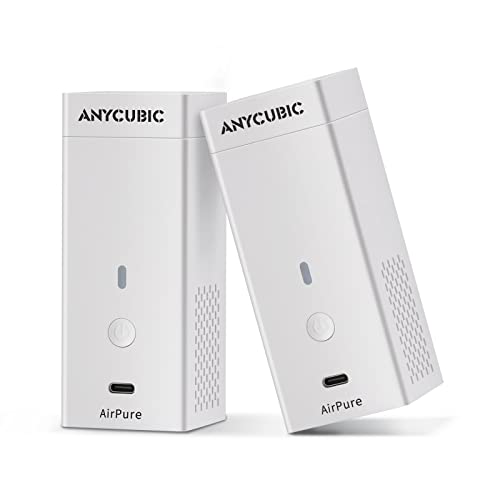
ANYCUBIC Mini Purifier 3D Printer Accessories Pack of 2

Resiners AirPure Air Purifier H13 True HEPA Filter

Resiners Resin Air Purifier AirPure Lite H13 HEPA
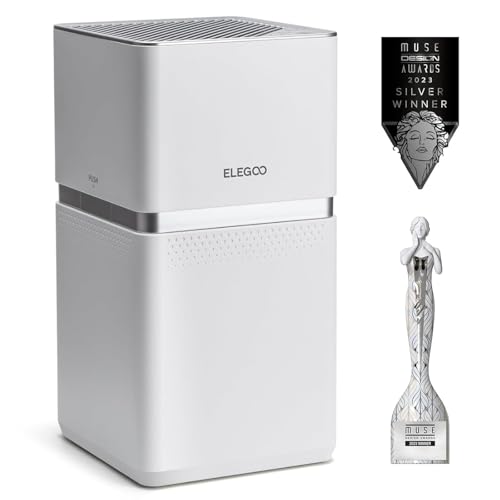
ELEGOO MARSMATE Air Purifier Saturn and Mars Fit

3D Printer Filter System for Bambu Lab P1S/X1C HEPA H13 Carbon Filter

3D Printer Filter System HEPA H13 and Activated Carbon
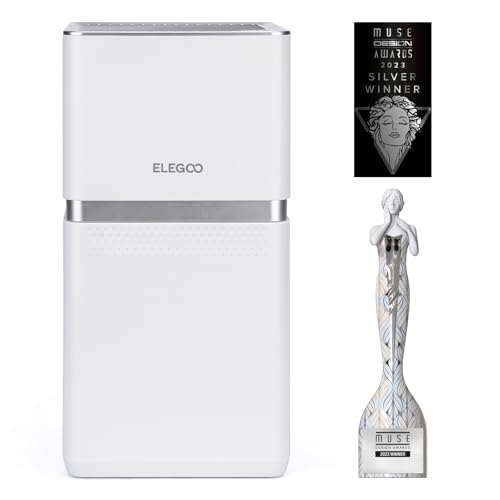
ELEGOO Marsmate Air Purifier Large Size Ultra-Quiet
More Details On Our Top Picks
The small body makes this one easy to tuck near a resin or LCD setup without stealing bench space. That matters in a cramped hobby room, where every inch counts and a purifier that sits close to the printer is easier to live with day to day.
Its activated carbon filter is the key detail here, since carbon is the part that helps trap odor molecules instead of just moving air around. The trade-off is that this kind of compact unit is better for close-up, targeted use than for a whole room, so it suits focused desktop work best.
Strong Points
- Compact size suits tight printer benches.
- Lightweight build makes repositioning simple.
- Quiet operation helps in shared rooms.
- Pack of two gives you more placement options.
- Carbon filtration adds useful odor control near the source.
Things To Consider
- Compact coverage is better for small setups than open rooms.
- Filter upkeep matters more during frequent resin work.
- It sits best close to the source, not across the room.
Core Details
Who It Suits Best
You get the most from this one in a small resin or LCD workspace where simple placement matters more than broad-room coverage.
Swap It Out When
Resiners AirPure Air Purifier H13 True HEPA Filter fits better for resin crafters who want live air readouts and a more guided setup.
This model leans harder into resin-specific use than the small Anycubic unit, especially because it adds live TVOC display and automatic mode. TVOC means total volatile organic compounds, which is a practical way to track the fumes many resin crafters care about during mixing and curing.
The stated coverage range also gives you a better sense of fit for a medium craft area rather than a tiny desktop corner. In a workshop with a dedicated resin station, that extra visibility can be a real comfort, though the setup will still make most sense where you can place it near the source.
What We Like
- H13 HEPA adds fine-particle capture to the airflow path.
- Live TVOC display helps you keep an eye on air conditions.
- Auto mode reduces the need for constant adjustment.
- Temperature and humidity readings add helpful workspace context.
- Coverage range suits a real craft room, not just a shelf.
Worth Noting
- More features mean more to pay attention to during setup.
- Display data is useful, but placement still matters for best results.
- Filter care becomes part of regular resin workflow.
Feature Rundown
Best Suited To
You should look at this one first for a resin station that needs live feedback and room for a little more coverage than a desktop purifier can offer.
Where Another Pick Shines
ANYCUBIC Mini Purifier 3D Printer Accessories Pack of 2 works better for a tighter bench where the simplest footprint matters most.
AirPure Lite trims the idea down to something easier to place on a craft table, which is a good move for smaller resin stations. Compared with the fuller-featured Resiners AirPure, this one looks more like the straightforward choice for hobbyists who want the same basic monitoring idea without the extra bulk.
The portable form makes sense for people who move between mixing, pouring, and curing spots in the same room. You may find the lighter setup especially handy in a shared workspace, where you do not want a purifier that feels like a permanent fixture.
Highlights
- Portable layout is easy to tuck beside a small station.
- H13 HEPA brings a strong filter grade to a compact model.
- TVOC display helps you follow workspace conditions.
- Auto mode keeps operation simple for everyday resin use.
- Smaller size makes storage less awkward between sessions.
Small Caveats
- Compact sizing limits how much space it can realistically cover.
- It makes the most sense close to the work area.
- Filter care stays important in regular resin sessions.
At A Glance
Who Should Grab It
This suits you best for a compact resin setup where portability and a clear display matter more than covering a large room.
Look Elsewhere When
Resiners AirPure Air Purifier H13 True HEPA Filter is the better call for a larger workspace that benefits from more coverage detail and environmental readouts.
ELEGOO leans into ecosystem fit here, and that matters a lot for printer owners who want something that lines up with their machine instead of a generic box on the side. Compared with the Resiners models, this one feels more tied to printer compatibility than to crafting-table versatility.
The wide model list is the real reason to consider it, especially in a space that already runs Saturn or Mars machines. The honest read is that it makes the most sense when you want a purifier that feels matched to your printer family rather than a general-use craft accessory.
Positives
- Broad printer compatibility helps simplify matching.
- TVOC reduction claim points to a resin-focused design.
- Made for several ELEGOO printer families.
- Good fit for owners who prefer brand-aligned accessories.
Areas To Watch
- Compatibility is the main draw, so fit should be checked carefully.
- Less flexible than a more general desktop purifier.
- Works best for people already using supported printers.
Details At A Glance
Built With In Mind
You get the clearest fit here if your workshop already centers on ELEGOO Saturn or Mars printers and you want accessories that line up neatly.
A Better Fit Elsewhere
Mintion 3D Printer Filter System HEPA H13 and Activated Carbon is the stronger match for enclosed printer setups that need a more enclosure-focused airflow system.
This Mintion unit is built around enclosed printers, which is the first thing that sets it apart from the more tabletop-friendly Resiners choices. The triple-layer setup gives you a more structured path for handling dust, fine particles, and odor control inside a closed printing space.
It makes the most sense beside a Bambu Lab P1S or X1C, especially because the connector is made for those machines out of the box. The trade-off is simple, it’s less of a general-room purifier and more of a specialized accessory for a printer enclosure.
Reasons To Buy
- Triple-layer filtration gives the setup more depth.
- H13 HEPA supports fine-particle capture in enclosed printing.
- Activated carbon helps with odor-focused filtering.
- Built for Bambu Lab P1S and X1C use.
- Works well in enclosed printer environments.
Points To Note
- Best suited to enclosed printers, not open-frame rigs.
- More specialized than a general-purpose purifier.
- Adapters may matter for some machine setups.
Technical Sheet
Perfect Match For
You should look here first for an enclosed Bambu setup where a dedicated filter system makes more sense than a loose tabletop purifier.
Another Choice May Suit
3D Printer Filter System HEPA H13 and Activated Carbon for Enclosed Printers gives you a broader enclosed-printer fit across more machine setups.
This Mintion model focuses on enclosed printers too, but it adds more specific airflow detail that can matter in a busy workshop. The centrifugal fan is there to keep pressure moving through the filter stages, which helps explain why this pick feels more engineered than a simple add-on purifier.
That kind of design suits a setup where you want steady movement without disturbing chamber conditions. In most print rooms, the better reason to choose it is the blend of plug-in practicality and broader machine fit, especially where the enclosure stays closed during long jobs.
Best Bits
- Centrifugal fan supports steady airflow through the system.
- HEPA H13 and activated carbon cover two key filtering jobs.
- Fits several enclosed printer setups with adapters.
- Compact body works beside or inside an enclosure.
- Airflow design aims to keep chamber conditions steady.
Softer Spots
- Open-frame printers are not the right match.
- Adapter planning may be part of the setup for some machines.
- It is more enclosure tool than general air purifier.
Feature Snapshot
Right Fit For
You fit this model best when your printer lives in an enclosure and you care about airflow details as much as odor control.
Reach For A Different Pick When
ELEGOO MARSMATE Air Purifier Saturn and Mars Fit makes more sense for ELEGOO owners who want a brand-matched accessory set.
This larger ELEGOO model feels aimed at busier print areas where a quieter unit matters more than a tiny footprint. The 35 dB noise figure stands out here, because that kind of sound level is easier to live with during long print sessions in a home office or shared room.
It also gives you two fan modes with automatic switching, so the purifier can respond without asking for much attention. The honest read is that it works best for owners already inside the ELEGOO printer ecosystem, especially when a larger accessory makes sense beside a group of Saturn or Mars machines.
Upsides
- Large-size build suits bigger printer stations.
- Low noise level helps keep the room calmer.
- Two fan modes add a bit more control.
- Automatic switching reduces day-to-day fiddling.
- Built-in VOC sensing helps with filter timing.
Honest Caveats
- Larger body needs more room around the printer.
- Best fit stays within supported ELEGOO machines.
- Filter maintenance still becomes part of ownership.
Core Details
Whose Shelf It Belongs On
This belongs with you if your workspace runs larger ELEGOO printers and you want quieter daytime operation without a complicated setup.
Not Your Match When
ANYCUBIC Mini Purifier 3D Printer Accessories Pack of 2 is a better fit for tiny desks where compact placement matters more than size.
How To Choose The Right 3d Printer Air Purifiers
Match The Purifier To The Print Space
Size comes first, because a purifier that lives beside a resin station works differently from one meant for a larger craft room. Small tabletop units suit close-range use, while enclosure-based systems make more sense around closed printers that keep fumes contained.
Coverage ranges matter too, since a 151 to 344 ft² rating tells you far more than a glossy product name. Think in terms of the room you actually use, not the room you wish you had.
Filter Type Shapes Real-World Use
Activated carbon helps with odor-heavy jobs, especially around resin and other printing materials that leave a noticeable smell. H13 HEPA, meaning a fine-particle filter grade, adds another layer by catching smaller airborne particles before they drift around your workspace.
The best setup depends on your mess. Resin crafters often want carbon plus monitoring, while enclosed FDM printer owners may care more about airflow through a staged filter path.
Look At Controls, Sensors, And Feedback
Simple units work well for hands-off placement, but display-heavy models give you more context during long sessions. TVOC readouts, temperature, and humidity can help you judge the room without guessing.
That extra information is useful in a busy workshop, though it does mean you have more to watch and maintain. For some spaces, that feels reassuring, while for others it’s just extra clutter on the bench.
Think About Fit, Noise, And Maintenance
Compatibility matters more than most people expect, especially with printer-specific units that only suit certain machines or enclosures. Noise also matters in home offices, shared studios, and late-night setups, where a quieter unit is easier to live with.
Maintenance is the last piece worth watching, since filters and sensors need attention over time. A purifier that’s easy to place and simple to service usually ends up being the one you keep using.
What To Weigh Before You Click
Mistakes Worth Dodging
A common mistake is choosing a purifier by product name alone and ignoring whether it fits your printer style. Open-frame machines, enclosed printers, and resin stations all ask for different airflow and placement choices.
Another slip-up is overlooking maintenance. A filter-heavy setup only stays useful when you can reach it easily and keep up with the parts it uses.
The Upgrade Payoff
Higher-tier models usually cost more because they add sensors, better airflow design, broader compatibility, or more detailed filtration. That extra hardware can matter a lot in a room where you print often or handle resin work for longer stretches.
Spending up makes the most sense when you want less guesswork and more control. In a small hobby corner, a simpler purifier may be enough, but a larger workshop often benefits from the added features.
Frequently Asked Questions
Do 3D printer air purifiers help with resin odor?
They can help reduce the smell near the source, especially models with activated carbon. Placement close to the printer or resin station matters a lot.
Is HEPA useful for 3D printing?
HEPA helps capture fine particles, which is useful in both resin and enclosed printer setups. It works best as part of a system that also handles odor.
Should you choose a printer-specific purifier or a general one?
Printer-specific units usually fit better around enclosures and machine layouts. General units can still work, but the setup may feel less natural on the bench.
How important are TVOC readouts?
They’re helpful when you want a clearer picture of air conditions during resin work. They’re less important than fit and filtration, but they do add useful context.
Can a small purifier cover a whole workshop?
Usually not very well, especially in open rooms. Small units are better for close, targeted use near the printer or craft table.