Air Con Mini-Splits make more sense than bulky window units when you want steadier comfort, cleaner wall space, and a setup that fits the room instead of fighting it. You’ll see a wide spread here, from smaller 9,000 BTU picks for compact rooms to larger 24,000 BTU systems for open layouts and bigger homes. The right match depends on room size, voltage, controls, and how much you want to manage from a remote or app.
The Shortlist At A Glance

Mountman 12000 BTU Mini Split AC/Heating System

ROVSUN 9000 BTU Mini Split AC/Heating System
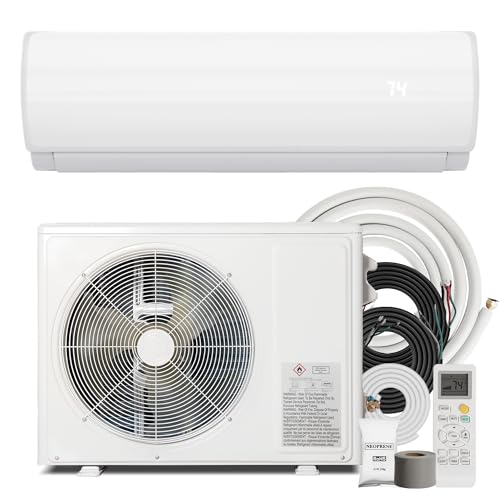
12000BTU Mini Split Air Conditioner Heat Pump

COSTWAY 24000 BTU Mini Split Air Conditioner

Hykolity Wifi Enabled 12000 BTU Mini Split Air Conditioner & Heater

Garvee 11500 BTU Mini Split AC/Heating System

Garvee 9,000 BTU Mini Split Air Conditioner with Heat Pump
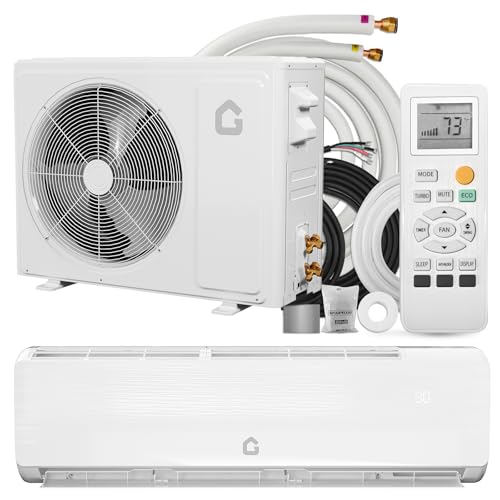
GarveeHome 18000 BTU Mini Split Air Conditioner Heat Pump System
More Details On Our Top Picks
Mountman sits in that middle zone where many homes actually live, a 12,000 BTU class unit with 19 SEER2 and 110/120V power. That mix makes it more approachable than the larger 230V models later in this list, especially for a finished basement, family room, or a primary bedroom that needs steady coverage.
The pre-charged condenser and installation kit lower some of the setup friction, though a ductless system still asks for a proper install plan. For most medium rooms, the honest read is that this feels like a sensible all-season pick rather than a flashy one, and that restraint is part of the appeal.
Strong Points
- 12,000 BTU capacity fits the common mid-size room bracket without moving into oversized territory.
- 19 SEER2 gives you a clearer efficiency target than basic low-tier units, which matters in daily use.
- 110/120V power is less demanding than many larger 230V systems.
- Heat pump support keeps the unit useful beyond cooling season.
- The included installation pieces help shorten the shopping list before setup day.
Areas To Watch
- Room sizing still matters, and this class can feel stretched in open-plan spaces.
- Ductless installs usually call for careful placement and a tidy wall run, so prep takes thought.
- The listing leans practical rather than connected, so smart-home control is not the focus here.
Feature Card
Who It Suits Best
You’ll get the most from this in a medium room where year-round comfort matters and you want a straightforward system without overcomplicating the install. It suits homeowners who want a balanced mix of power, efficiency, and familiar electrical requirements.
Where A Sibling Pick Shines
ROVSUN’s 9000 BTU mini split fits smaller bedrooms and offices better, while the Mountman makes more sense once your space grows past the compact-room stage.
ROVSUN trims the size and power draw a bit, and that makes sense for smaller rooms where a 12,000 BTU unit would be more than you need. The 20 SEER2 rating stands out here, because higher efficiency matters most in rooms that get used every day, like a bedroom, den, or home office.
At 115V, it stays closer to a plug-and-plan profile than the bigger 230V systems in this roundup. That gives it a practical edge for shoppers who want a compact ductless setup without stepping into the heavier-duty territory that the COSTWAY and GarveeHome units occupy.
What We Like
- 9,000 BTU output fits smaller enclosed spaces without crowding the room.
- 20 SEER2 gives it a strong efficiency story for everyday use.
- 115V power keeps the electrical side less demanding than larger units.
- The heat pump adds useful heating support for shoulder seasons.
- Included remote control keeps basic adjustments close at hand.
Points To Note
- The smaller capacity is a strength in tight rooms, but it can leave larger spaces under-served.
- Ductless equipment still needs careful wall placement and a clean line set path.
- You may find the compact format best in one main zone rather than across an open floor plan.
Technical Sheet
Made For
You’ll appreciate this most in a smaller bedroom, office, or apartment room where quieter, steady climate control matters more than brute capacity.
A Better Fit Elsewhere
Hykolity’s 12,000 BTU wifi-enabled system is the stronger match for a slightly larger room that also needs app control.
Nexaro takes the same 12,000 BTU, 750 sq. ft. class as Mountman, but it leans into a simpler, white-finished package with 115V power and a 19 SEER2 inverter compressor. The result feels familiar in the best way, especially for a living room or larger bedroom where you want steady climate control without moving up to the bigger 24,000 BTU bracket.
The pre-charged condenser and installation kit matter because they reduce the number of loose ends during setup, though the install still belongs in the hands of someone comfortable with ductless equipment. It’s a straightforward choice for homes that want the capacity of a mid-size unit and don’t need app-heavy extras.
Highlights
- 12,000 BTU output gives you the same room-size comfort class many households look for.
- 19 SEER2 points to a more efficient inverter setup than basic conventional systems.
- 115V power keeps the electrical demands closer to mainstream home use.
- The heat pump broadens the use case beyond summer cooling.
- Included install hardware is useful for planning a cleaner setup from the start.
Softer Spots
- The listing is more functional than feature-heavy, so connected controls are not part of the appeal.
- Ductless systems still need thoughtful placement and regular filter care.
- Shared 12,000 BTU capacity means the space layout matters as much as the room square footage.
Core Details
The Right Fit
You’ll like this most in a medium room where you want dependable climate control and a simple control stack, not a long list of smart extras.
Swap It Out When
GarveeHome’s 18,000 BTU system fits larger spaces better, especially once you move beyond the 750 sq. ft. range.
COSTWAY steps into larger spaces with a 24,000 BTU class and 21 SEER2 efficiency, so the focus shifts from compact-room restraint to broader coverage. That makes sense for open living areas, large family rooms, or combined spaces where a smaller 9,000 or 12,000 BTU unit would have to work too hard.
The remote control and compatibility with Alexa and Google Home push this model toward convenience-minded homes. The trade-off is obvious, though: the more feature-heavy the system gets, the more important installation planning and room matching become, especially in a bigger cooling load.
Reasons To Buy
- 24,000 BTU capacity serves larger areas that need stronger airflow coverage.
- 21 SEER2 makes this the efficiency standout among the high-capacity picks here.
- Remote control and voice-assistant compatibility add day-to-day convenience.
- Heat pump support keeps the system useful across seasons.
- The 24-hour timer helps you shape runtime around a normal household schedule.
Trade Offs
- The larger size is better for space, but it also asks more from the install plan.
- Smart control is helpful, yet not every home needs that level of connected control.
- Its 230V class makes it a less casual fit than the smaller 115V systems above.
Details At A Glance
Best Suited To
You’ll get the most out of this in a large room or open-plan home where stronger capacity and connected control both matter.
Consider Something Else When
Mountman’s 12,000 BTU unit is the safer match for a medium room that doesn’t need this much output.
Hykolity keeps the same 12,000 BTU, 750 sq. ft. comfort class as Mountman and Nexaro, but adds wifi control, which changes the day-to-day experience more than people expect. In a busy household, being able to adjust settings from a phone can save you a few trips across the room, especially in a family room or home office that gets used at odd hours.
The 20 SEER2 rating is another quiet strength, and it gives this unit a solid efficiency angle without pushing into the larger, more installation-heavy category. It feels like a practical upgrade for shoppers who want remote access and a familiar mid-size footprint rather than a bigger jump in capacity.
Upsides
- Wifi control adds convenient temperature changes from across the house or outside it.
- 12,000 BTU coverage suits many medium rooms without overcommitting capacity.
- 20 SEER2 gives the system a more efficient profile for routine use.
- The heat pump supports both cooling and heating seasons.
- Included installation kits help you line up the project before setup begins.
Minor Gripes
- The wifi angle is helpful, though some homes still prefer a simpler non-connected unit.
- Like every ductless system here, the install and wall routing deserve careful planning.
- Room size still drives performance, so layout matters as much as square footage.
Quick Facts
Who Will Love This
You’ll appreciate this most in a medium room where app control matters as much as temperature control, especially in a household that prefers remote adjustments.
Where Another Pick Fits Better
ROVSUN’s 9000 BTU unit is the smarter match for a smaller bedroom or office that does not need 12,000 BTU.
Garvee slides in with 11,500 BTU, which puts it almost exactly between the 9,000 BTU compact units and the full 12,000 BTU class. That middle position can work well in a medium room that needs a little more room than a small bedroom but doesn’t quite require the fuller reach of the Mountman or Nexaro picks.
WiFi is part of the package, so you get the convenience angle without moving up to the larger 24,000 BTU category. The wall-mounted format and 115V power make it feel familiar for homeowners who want a ductless system that stays readable and practical rather than overbuilt.
Plus Points
- 11,500 BTU lands in a useful middle ground for many homes.
- WiFi control adds flexibility for daily temperature changes.
- 115V power keeps the electrical side less demanding than large 230V units.
- The wall-mounted design keeps floor space open in busy rooms.
- The heat pump extends the unit’s use beyond hot weather.
Worth Noting
- The slightly unusual 11,500 BTU size is handy, but it also makes room matching worth a careful look.
- Wall-mounted ductless systems still need proper line-set planning and a clean install path.
- It sits in a crowded middle zone, so your room shape will matter a lot.
Core Details
Built With In Mind
You’ll get the best match here in a medium room where you want a middle-ground capacity and the convenience of phone control.
Look Elsewhere When
COSTWAY’s 24,000 BTU system is the better choice once your space opens up enough to justify a larger unit.
Garvee’s 9,000 BTU unit keeps things compact, and that smaller size makes a lot of sense for apartments, spare bedrooms, and offices that only need targeted comfort. The 18.5 SEER rating is a bit lower than some of the other picks here, yet it still gives this model a credible efficiency story for a smaller space.
The 230V requirement is the part you need to plan for, because it shifts this pick toward installations that already have the right electrical setup. In practice, that makes it a better fit for a more prepared home than a casual plug-in situation, though the included remote and installation kit still help the overall package.
Best Bits
- 9,000 BTU suits compact rooms where smaller capacity works better.
- 18.5 SEER still gives the unit a respectable efficiency profile.
- Heat pump support keeps the system useful across seasons.
- Included remote control makes everyday adjustments easy.
- Pre-charged condenser and installation kit help streamline the install process.
Small Caveats
- 230V power narrows the pool of spaces that can support installation.
- The 9,000 BTU size is right for compact areas, but not for larger shared rooms.
- As with any ductless unit, filter care and wall access matter over time.
At A Glance
Whose Shelf It Belongs On
You’ll get the most value from this in a smaller room with the proper electrical setup and a clear need for compact, targeted cooling.
Reach For A Different Pick When
Hykolity’s 12,000 BTU wifi-enabled system is the better choice for a larger bedroom or family room that needs more reach.
GarveeHome moves into the larger-room part of the category with 18,000 BTU, 19 SEER2, and 230V power. That mix makes it better suited to spaces like bigger living rooms, garages, basements, or small commercial areas where the 9,000 and 12,000 BTU options would feel undersized.
The complete installation kit is a useful inclusion because larger systems often involve more planning, more parts, and more room for mistakes. In that sense, this pick feels like a stronger fit for a space that genuinely needs the capacity, not just a bigger number on the box.
Standout Traits
- 18,000 BTU capacity is built for larger areas that need broader reach.
- 19 SEER2 keeps the efficiency picture respectable for the size class.
- 230V power matches the demands of a higher-output system.
- The heat pump gives the unit year-round usefulness.
- The complete installation kit helps reduce extra shopping before setup.
Honest Caveats
- The higher capacity is useful, but only when the room actually needs it.
- 230V installation narrows the spaces and electrical setups that can support it.
- Larger ductless systems usually need careful planning around wall space and line routing.
Feature Rundown
Perfect Match For
You’ll get the most from this in a larger home space, garage, or basement that needs more capacity than the medium-room picks can offer.
Another Choice May Suit
COSTWAY’s 24,000 BTU model is the better move for very large open spaces where even more output and connected control make sense.
How To Choose The Right Air Con Mini-Splits
Size The Unit To The Space
BTU tells you how much cooling capacity a unit has, and it’s the first number worth respecting. A 9,000 BTU model like ROVSUN or Garvee suits compact rooms, while 12,000 BTU picks such as Mountman, Nexaro, and Hykolity make more sense in medium spaces. Once you move to 18,000 or 24,000 BTU, you’re in larger-room territory where open plans, basements, or garages need more reach.
Room layout matters just as much as square footage. A long living room, a stair-heavy floor plan, or a room with lots of sun exposure can change the load in ways a simple size chart won’t show. That’s why a seemingly smaller unit can work well in one home and feel strained in another.
Match Power And Installation To Reality
Voltage is easy to overlook, then hard to ignore later. The 115V units in this list are easier to slot into more familiar home setups, while the 230V picks usually belong in spaces already planned for heavier equipment. That’s less about style and more about avoiding a mismatch between the unit and the wiring you already have.
A ductless mini split also needs room on the wall, a path for the line set, and enough planning for the condenser placement. Pre-charged condensers and included installation kits help, but they don’t erase the need for a clean install. The trade-off shows up in reliability and long-term comfort, because a tidy setup usually ages better than a rushed one.
Weigh Efficiency Against Features
SEER2 is an efficiency rating for cooling systems, and higher numbers usually point to less energy use for the same kind of comfort. In this roundup, 20 to 21 SEER2 systems stand out for homes that use the unit often, while 18.5 and 19 SEER2 still make sense for lighter or more targeted use. The right call depends on how many hours a day the unit will actually run.
Controls matter too. Wifi and voice-assistant compatibility help in busy homes, especially when the wall unit sits across the room or the schedule changes often. If you want simple comfort without app management, a more basic remote-controlled system can be the cleaner fit.
Think About Room Habit, Not Just Room Size
A bedroom, office, or small apartment room usually rewards a smaller, more efficient unit that stays out of the way. A family room or open living area often needs the steadier push of a larger system, even if the room count stays low. That’s why the best pick is rarely the loudest spec sheet, it’s the one that matches daily life.
Think about who touches the controls most often and how often you change settings. A phone-ready unit can feel like a small luxury in a hectic home, while a simpler setup can be better for a guest room or occasional-use space. That small difference is often what separates a good install from a frustrating one.
What To Weigh Before You Decide
Common Shopping Slip Ups
A frequent mistake is sizing by guesswork instead of the room’s real demand. A 9,000 BTU unit can feel fine in a closed bedroom, then fall short in a wide living area with extra heat gain. Another common miss is ignoring voltage until after the rest of the install plan is already in motion.
Placement deserves more attention than many people give it. A ductless system that sits in a poor spot can lose the very advantage you wanted from it, so wall space, line routing, and condenser location should all be part of the decision.
The Case For Spending Up
Higher-tier models usually cost more because they push more air, handle larger rooms, and often add convenience features like wifi or voice-assistant compatibility. In this list, the COSTWAY 24,000 BTU model and GarveeHome 18,000 BTU unit show how larger capacity and broader control options tend to go together.
That extra spend makes sense when the room truly needs the output or when you want less friction in daily use. For a compact bedroom, the jump may be unnecessary, but for a large shared space it can be the difference between comfortable and merely adequate.
Final Thoughts
The right Air Con Mini-Split depends on how much space you need to cover and how much control you want at your fingertips. Mountman and Nexaro give you balanced 12,000 BTU choices, ROVSUN and Garvee handle smaller rooms, and COSTWAY steps up for larger open areas. Hykolity adds a useful wifi layer, while GarveeHome makes sense for bigger spaces that need more capacity. Choose by room size first, then narrow by voltage and features, and you’ll land on the cleaner fit.