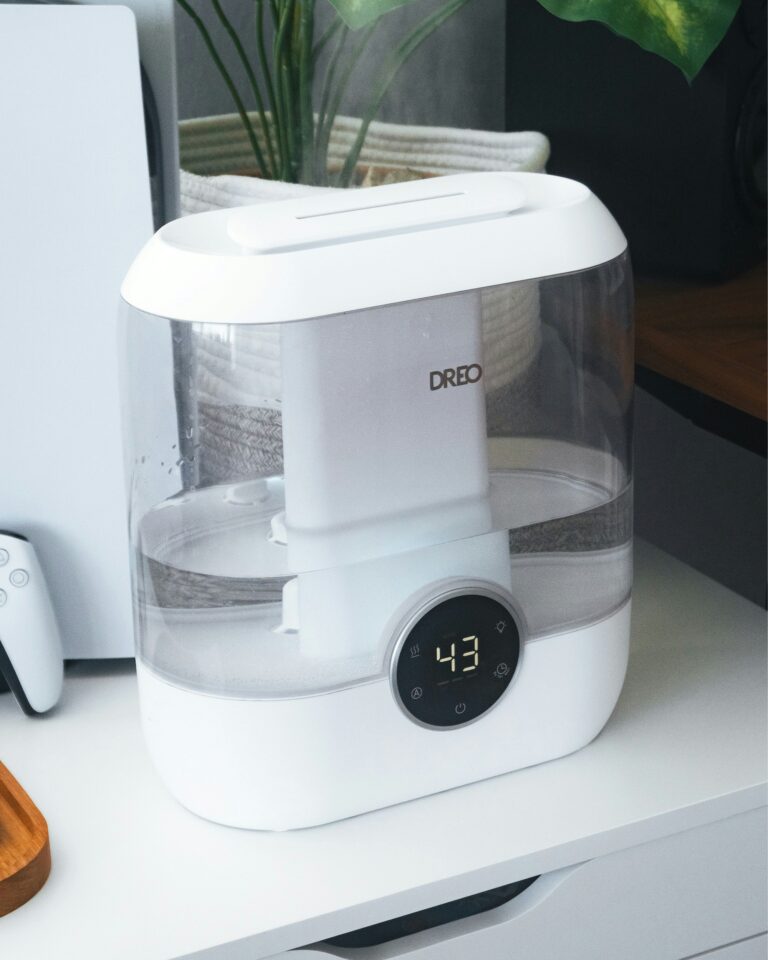
Humidity matters most when you’re trying to keep a room steady, not just comfortable. A nursery, basement, greenhouse, cigar shelf, reptile setup, or wine cellar can all drift in the wrong direction faster than you’d expect, and a good sensor gives you a clean read instead of guesswork. The right pick depends on whether you want simple local readings, app alerts, or deeper climate data like dew point and wet bulb. That’s where this roundup helps you sort the plain monitors from the more capable connected options.
Quick Look At Our Shortlist

Aqara Zigbee Temperature and Humidity Sensor 3 Pack

Humidity Meter Indoor Thermometer 6-Pack Mini Digital Thermometer Hygrometer
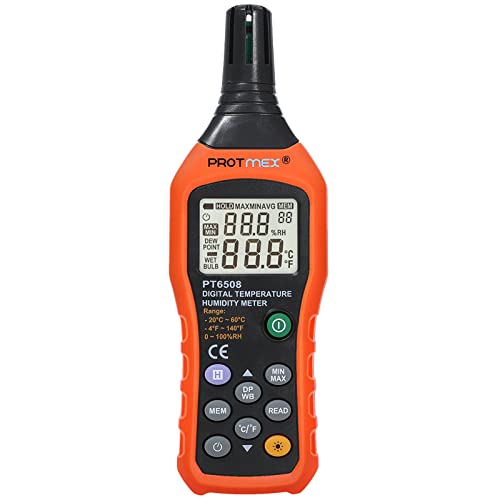
PT6508 Temperature Humidity Meter – Wet Bulb

TempPro TempAir Digital Hygrometer Indoor Thermometer Humidity Monitor 3 Pack

TempPro TempAir Bluetooth Thermometer Hygrometer 260 ft

AcuRite Pro Humidity Meter & Thermometer, Hygrometer with Backlight

4-Pack Mini Hygrometer Thermometer Indoor Round Humidity Meter

GoveeLife 2.0 WiFi Hygrometer Thermometer with Gateway, Mini Sensor 3-Pack
More Details On Our Top Picks
Connected-home setups get the most from this Aqara three-pack, because it leans on Zigbee rather than acting like a plain standalone gauge. That means you’re really buying into a hub-based system, so the trade-off is worth it only when you already want sensors tied into automation, routines, or app visibility across rooms. For a hallway, nursery, or storage area, the small footprint keeps the hardware out of the way.
The catch is simple: the hub requirement adds another piece to manage, and the sensor is only as useful as the ecosystem around it. Still, for a house already using compatible smart-home gear, this feels cleaner than juggling separate displays on every wall. It’s a tidy fit for someone who wants humidity data to live inside a broader home setup, not as a one-off gadget.
Strong Points
- Three sensors cover multiple rooms without cluttering the house with large displays.
- Zigbee support suits smart-home routines, so humidity readings can sit alongside other automations.
- The small sensor size makes shelf, wall, or tucked-away placement easier.
- Works well for everyday monitoring in rooms that benefit from quiet, low-visibility hardware.
Things To Consider
- You need an Aqara hub, so the system is less plug-and-play than basic standalone meters.
- Compatible hub and network setup matter, which adds a little planning for first-time use.
- For simple one-room checks, the feature set can be more than you really need.
Key Specs
Who It Suits Best
You’ll like this most if your home already runs through a compatible Aqara hub and you want humidity data to live inside a smart-home workflow.
Where A Sibling Pick Shines
TempPro TempAir Digital Hygrometer Indoor Thermometer Humidity Monitor 3 Pack fits better for someone who wants simpler room-by-room readings without adding a hub.
Six small gauges in one box make this a practical option for homes with a lot of spots to watch, from closets to cellars to enclosures. The LCD readout keeps the format straightforward, and the compact size means you can scatter them around without turning every shelf into a display case. For greenhouse benches or reptile tanks, that low-profile shape matters more than fancy extras.
Compared with the Aqara set, this one skips smart-home complexity and stays closer to plain, local monitoring. That simplicity is the strength, though the trade-off is that you won’t get app-side handling or automation hooks. It suits anyone who wants multiple readings in several spaces and doesn’t need a connected system to do it.
What We Like
- Six units make it easy to monitor multiple cabinets, rooms, or enclosures at once.
- Mini size helps the monitors disappear into tight spaces.
- The LCD format is easy to read at a glance.
- Good fit for hobby setups that need several separate checks rather than one central display.
Areas To Watch
- There’s no connected app layer, so you check each unit in person.
- The simple design keeps the price logic sensible, but it also keeps the feature list modest.
- For larger rooms, the tiny form may feel a little minimal from across the space.
- Battery swaps across six units can become a maintenance chore over time.
Feature Snapshot
Made For
You should look at this set for closets, greenhouses, cellar shelves, or reptile enclosures where several small monitors make more sense than one larger hub-linked unit.
Another Choice May Suit
GoveeLife 2.0 WiFi Hygrometer Thermometer with Gateway is the better fit for someone who wants app alerts and remote checking from outside the house.
Wet bulb and dew point readings put this Protmex unit in a more technical lane than the first two picks. Wet bulb describes the cooling effect of evaporation, while dew point tells you the temperature at which moisture starts to condense, so the display helps when you need a fuller picture of air conditions in a workshop, HVAC check, or indoor-outdoor setup. That extra information is useful, but it also means the meter is less casual than a basic room gauge.
You may find the backlight and data-hold function especially handy in dim utility spaces or when you need to pause a reading. Compared with the simpler six-pack from TeqyAqs, this one is for the person who wants a more analytical tool rather than a scatter-the-box approach. The honest read is that it serves a narrower job, but it serves that job well.
Highlights
- Wet bulb and dew point readings add context beyond plain temperature and humidity.
- Data hold helps you pause a result long enough to note it down.
- Min, max, and ambient tracking make trend checks easier during a long day.
- Backlit LCD improves visibility in garages, basements, or dim plant rooms.
- Suitable for indoor-outdoor work where a basic hygrometer feels too narrow.
Small Caveats
- The tool is more specialized than a simple household gauge.
- Some home users may never use the wet bulb or dew point fields.
- It makes more sense on a bench or work surface than as a decorative room piece.
Details At A Glance
Who Should Grab It
This fits hobbyists, technicians, and home tinkerers who want more than one plain humidity number and already know why dew point matters in a room or enclosure.
A Better Fit Elsewhere
AcuRite Pro Humidity Meter & Thermometer, Hygrometer with Backlight is easier to live with for simple bedroom or display-room monitoring.
For everyday room monitoring, this TempPro three-pack stays pleasantly straightforward. The DRY, COMFORT, and WET icons give you a quick read without studying tiny numbers, which is handy in a kitchen, cellar, or greenhouse where conditions change and you want the gist fast. It’s the kind of setup that feels familiar rather than fussy.
Compared with the Protmex meter, this one is less technical and more glanceable, which is probably the point for most households. Accuracy claims and a 10-second refresh are useful on paper, though the bigger appeal here is the plain layout and the ability to cover a few rooms with one purchase. The trade-off is that it won’t satisfy someone looking for deep climate math.
Bright Spots
- Three units cover several rooms or zones without a complicated setup.
- Status icons make the display easy to understand quickly.
- Useful for kitchens, greenhouses, and cellars where conditions change through the day.
- Compact format keeps shelves and counters from feeling crowded.
Worth Noting
- The simple readout is easy to use, but it offers less depth than more technical meters.
- For far-apart rooms, you still need to check each unit directly.
- Owners usually end up keeping these in visible spots, so placement takes a little thought.
Feature Card
The Right Fit
You’ll get the most from this in a house where you want quick, nontechnical humidity checks across a few rooms or storage areas.
Look Elsewhere When
PT6508 Temperature Humidity Meter – Wet Bulb is the smarter pick for someone who needs dew point and wet bulb data for more technical work.
Bluetooth changes the experience here, because you can keep tabs on conditions from your phone instead of walking back to the greenhouse shelf or storage room. The included batteries and app pairing make the setup feel less technical than some connected monitors, and the stated 260-foot range helps explain why it’s more appealing than the plain three-pack from TempPro. For a basement, propagation room, or multi-level home, that convenience can be the whole point.
The 2-year data logging export adds a deeper record than most basic meters in this roundup, though that also means you’re buying into app use and phone-side habits. Temperature and humidity accuracy are paired with a quick refresh, so the hardware is doing more than just sitting there. It’s a sensible step up for anyone who wants remote visibility without moving all the way to a full smart-home platform.
Reasons To Buy
- Bluetooth app monitoring lets you check conditions without standing in the room.
- 260-foot range is helpful across a house, greenhouse, or workshop layout.
- Two years of logging export supports long-view trend tracking.
- Battery-powered setup keeps installation simple.
- Good fit for spaces where daily walk-bys are inconvenient.
Points To Note
- Phone-based use asks for more setup than a simple LCD gauge.
- Range depends on walls and layout, so the real-world span can shrink indoors.
- App features matter less for someone who only needs a quick glance on site.
Core Details
Best Suited To
This suits greenhouse owners, basement watchers, and storage-room users who want remote readings and a longer data trail.
Skip It When
TempPro TempAir Digital Hygrometer Indoor Thermometer Humidity Monitor 3 Pack makes more sense for someone who wants simple room monitors with no phone dependency.
A backlight turns a modest meter into something easier to live with in dim bedrooms, display rooms, or a plant shelf tucked away from bright windows. This AcuRite keeps the focus on clear temperature and humidity reading rather than app features, which is exactly why it feels so plain and usable. The magnetic back is a small detail, but it matters when you want the unit parked on metal surfaces instead of taking up counter space.
Compared with the Protmex and TempPro connected options, this is the low-fuss choice. You’re not getting logging or smart alerts, and that’s fine for a lot of spaces where you just want a dependable glance in the room. The honest read is that it feels especially sensible for plant shelves, cigar storage, or instrument cases where placement matters more than bells and whistles.
Upsides
- Backlit display helps in low-light rooms.
- Magnetic backing opens up tidy placement on compatible surfaces.
- Simple layout suits daily checks without extra setup.
- Works well in rooms where you want a compact, no-nonsense monitor.
Softer Spots
- It’s a straightforward unit, so advanced logging or remote access is outside its lane.
- For several rooms, you’d need multiple units rather than one connected system.
- The minimal format is practical, but some homes may want a larger display.
Feature Rundown
Who Will Love This
This is a strong fit for someone who wants a small, straightforward monitor for a bedroom, display shelf, or music room.
Swap It Out When
GoveeLife 2.0 WiFi Hygrometer Thermometer with Gateway is the better match for remote alerts and broader app oversight.
Round, small, and easy to tuck into an opening, this four-pack is aimed at places where space is tight and shape matters. Reptile enclosures, jars, and small compartments are the obvious use cases, because the monitor can sit inside without crowding the setup. The option to switch between Fahrenheit and Celsius also makes it easier to keep the same units you already use elsewhere.
It sits in a different lane from the backlit AcuRite and the app-driven GoveeLife gear, which makes sense because its job is narrower and more physical. The embedded opening and tape-friendly mounting approach are practical, though you’ll want to think about fit before you place them in a lid or panel. That small format is the point, and for compact setups it does the job cleanly.
Best Bits
- Four small monitors cover multiple jars or enclosures.
- Round shape helps with tight openings and compact placement.
- Fahrenheit and Celsius switching adds flexibility across different setups.
- Works well where a full-size display would feel oversized.
Minor Gripes
- Small displays can be less comfortable to read from a distance.
- Installation needs a little attention because fit depends on the opening.
- For room-level use, the tiny format may feel too specialized.
Feature Card
Built With In Mind
You’ll get the best fit from this in reptile setups, storage jars, or tiny enclosures where you want the sensor to disappear into the container.
Another Choice May Suit
Humidity Meter Indoor Thermometer 6-Pack Mini Digital Thermometer Hygrometer suits larger multi-room setups better, especially when you need more units across the house.
This GoveeLife trio feels built for people who want humidity data to travel with them through an app instead of staying on a shelf. The gateway supports multiple sensors, and the WiFi connection lets you check conditions remotely, which is a real advantage for wine cellars, basements, or a bedroom you don’t visit often. The two-year battery claim also makes the system easier to live with than kits that ask for frequent upkeep.
Compared with the Aqara set, this one is less about smart-home automations and more about direct WiFi monitoring and alerts. That makes the setup appealing for practical oversight, though it’s limited to 2.4GHz networks, so some homes will need to account for that. For remote climate checks with a clear app layer, it lands in a very sensible spot.
What We Like
- WiFi access lets you check conditions away from home or from another floor.
- The gateway can handle multiple sensors, which helps with room coverage.
- Two-year battery life reduces routine maintenance.
- Fast refresh timing supports close monitoring in sensitive storage spaces.
Trade Offs
- It only works on 2.4GHz WiFi, so network compatibility matters.
- The app and gateway add setup steps that plain LCD monitors skip.
- For a single room, this can feel like more system than you need.
Technical Sheet
Whose Shelf It Belongs On
You’ll appreciate this most if you want remote monitoring for storage spaces, bedrooms, or a cellar and like checking conditions through an app.
Reach For A Different Pick When
Aqara Zigbee Temperature and Humidity Sensor 3 Pack is the better match for a smart-home setup that already runs through an Aqara hub and linked routines.
How To Choose The Right Humidity Sensors
Start With The Kind Of Space You’re Monitoring
Room monitors, enclosure gauges, and connected sensors solve different problems, so the setting should lead the choice. A basement or bedroom usually calls for a simple display or app alert, while jars, reptile tanks, and greenhouse benches benefit from compact units that fit the space. The more awkward the location, the more shape and mounting style matter.
Placement also affects how usable the readings feel day to day. A magnetic back helps on metal surfaces, a round insert works inside tight lids, and a hub-based sensor makes more sense when you want data collected in the background. That small detail can matter more than a long feature list.
Think About How You Want To Read The Data
Some humidity sensors give you a quick number on an LCD screen, and that’s enough for most homes. Others add icon cues, backlighting, app alerts, or long-term logs, which helps when you care about trends rather than a single snapshot. More layers are useful, but they also ask for more setup and maintenance.
Bluetooth and WiFi make sense when you want distance and history. Basic standalone meters are easier for shelves, closets, or a few scattered rooms, while connected models suit storage spaces that need regular oversight. The honest trade-off is simple, convenience usually rises with complexity.
Match The Sensor To Your Level Of Detail
Plain temperature and relative humidity are enough for most household checks. Relative humidity means the amount of water vapor in the air compared with the maximum that air can hold at that temperature, and it’s the number many people look at first. Dew point, wet bulb, and min-max tracking add depth for technical work, especially in HVAC, workshop, or climate-sensitive setups.
That extra detail is useful only when you’ll actually act on it. A cellar or greenhouse owner may want the extra context, while someone monitoring a hallway cabinet usually doesn’t need it. More data can help, but only when it stays readable and relevant.
Plan For Maintenance And Placement
Battery access, screen visibility, and cleaning all matter more than they first appear. Small units tucked into jars or cabinets can be fiddly to replace, while larger app-linked systems reduce room visits but add setup steps. A good fit is the one that still feels easy after the first week.
Owners usually stay happier with a sensor they can glance at or reach without moving furniture. That’s why the right choice often comes down to placement, not just measurement range. A steady, visible spot tends to get used more than a technically stronger unit that ends up buried in a drawer.
A Quick Reality Check
Common Shopping Slip Ups
One common mistake is buying a sensor that doesn’t match the space. A tiny enclosure monitor can feel awkward in a bedroom, while a smart-home sensor may be overkill for a closet. The better move is to start with the room, then work backward to the format.
Another slip-up is overlooking compatibility. Hub-based and WiFi-linked models depend on the right network or ecosystem, so a setup that looks simple on the page can become less friendly at home. A quick check of your existing gear saves a lot of regret later.
What The Higher Tier Buys
Higher-tier humidity sensors usually add remote access, logging, faster refresh, or more detailed readings. That costs more because the product is doing more than showing one number on a screen. The upgrade makes sense when you need to watch conditions over time or from another room.
For a wine cellar, greenhouse, or basement, those extra layers are often worth it. For a hall closet or basic storage shelf, a plain meter is usually enough. Paying more only helps when the added features match the way you’ll use the space.
Frequently Asked Questions
Do Humidity Sensors Need To Be Calibrated?
Many home units arrive ready for everyday use, but calibration details vary by model. For spaces that matter a lot, you’ll want a sensor with clear accuracy details and a setup that stays stable in the spot you choose.
What’s The Difference Between A Hygrometer And A Thermometer?
A hygrometer measures humidity, and a thermometer measures temperature. Many of the picks here combine both, which makes them easier to use in homes where air conditions change together.
Are Connected Sensors Better Than Plain Displays?
Connected sensors help when you want alerts, remote access, or long-term logs. Plain displays are easier for quick room checks and don’t ask for app setup.
Can One Sensor Handle A Whole House?
One unit can show conditions in one spot, but it won’t describe every room equally well. Multi-pack sets or networked systems work better when different areas of the house need separate attention.
Which Humidity Sensor Works Best For Small Enclosures?
Small round or mini insert-style monitors fit jars, reptile setups, and compact containers more naturally. Larger wall or shelf units make more sense for rooms where visibility matters more than size.
Closing Thoughts
Your best humidity sensor depends on where you plan to place it and how much detail you want in the reading. Simple monitors suit closets, bedrooms, and shelves, while connected or feature-rich picks are better for greenhouses, cellars, and technical spaces. The good news is that this category is easy to narrow once you match the shape, the data type, and the way you’ll check it. Pick the one that fits the room first, and the rest gets much easier.