Moisture gets stubborn in basements, crawl spaces, laundry rooms, and storage areas, and that’s where a pump-equipped dehumidifier earns its keep. This roundup focuses on large-capacity and home-ready models that can move water away without forcing you to babysit a bucket. You’ll also see a few compact options for tighter rooms, because not every space needs a commercial-sized unit. The right match depends on room size, drainage setup, and how much hands-on maintenance fits your routine.
The Shortlist At A Glance

Waykar 145 Pints 6,500 Sq. Ft High Efficiency Dehumidifier with Pump

ALORAIR 180 PPD Commercial Dehumidifier with Pump

4500 Sq. Ft Dehumidifier, Max 80 Pint Dehumidifier for Basement

SEMKAP 32 Pints Dehumidifier for Basement with Drain Hose

150 Pints Energy Star Dehumidifier for Basement with Pump

KNKA Energy Star 5500 Sq.Ft Dehumidifier for Basement
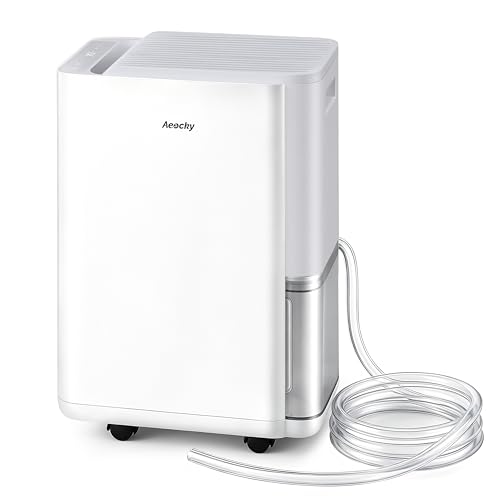
Max 40 Pint/D 2800 Sq.Ft Dehumidifier with Drain Hose

Waykar 125 Pint Crawl Space Dehumidifier with Pump & Drain Hose
More Details On Our Top Picks
Waykar’s larger footprint makes sense in spaces that stay damp for long stretches, especially basements, storage rooms, or warehouse-style areas. The pump adds convenience because you can move collected water away without relying only on a tank or a constant floor-level drain.
You’ll still want enough floor space and a drainage plan, since this kind of capacity usually belongs in a workhorse setup rather than a spare corner. Compared with the more home-leaning KNKA and DGVAM units, this one leans harder toward big-volume use and less toward quiet bedroom duty.
Strong Points
- High-capacity format suits larger, damp-prone rooms.
- Pump support reduces day-to-day emptying.
- Works well for basements that need steady moisture control.
- Included drain hose makes setup more flexible.
- Water tank adds another collection option when needed.
Small Caveats
- The size points more toward dedicated utility space than a bedroom nook.
- Moving a unit this large usually takes some planning.
- Routine cleaning around the intake area still matters for long-term reliability.
Core Details
Who It Suits Best
You get the most from this pick in a large basement, utility room, or commercial-style space that needs persistent moisture removal.
A Better Fit Elsewhere
Waykar 125 Pint Crawl Space Dehumidifier with Pump & Drain Hose suits tighter crawl spaces and more compact basements, especially where the footprint matters more than raw output.
ALORAIR reads like a serious drying tool, not a casual household add-on, and that suits crawl spaces or flood-repair jobs where fast moisture reduction matters. The 85 PPD AHAM figure gives you a more standardized comparison point, since AHAM is the testing association many humidity products use for fairer sizing.
That balance between the 180 PPD headline and the AHAM number helps you judge real-world scale without guessing. Compared with the Waykar 145-pint model, this one feels more specialized for recovery work, while the DGVAM and SEMKAP units are easier fits for general home zones.
What We Like
- Two capacity figures help you compare it more clearly.
- Pump support is useful in crawl spaces and utility areas.
- Works well as a drying-focused option for bigger jobs.
- Long limited coverage adds some peace of mind for ownership planning.
Points To Note
- Its purpose is more specialized than a general bedroom dehumidifier.
- Larger recovery tasks usually need a sensible drain route.
- Basic upkeep around filters and air intake still matters.
Feature Snapshot
Who Will Love This
You suit this model best when you need a harder-working dehumidifier for flood cleanup, crawl spaces, or other demanding drying spaces.
Reach For A Different Pick When
DGVAM’s 4500 Sq. Ft Dehumidifier fits more comfortably in a family basement or bedroom setting where general home use matters more than recovery-duty scale.
DGVAM sits in the middle of this lineup in a useful way, with enough coverage for broad rooms without drifting into the more industrial feel of the Waykar and ALORAIR picks. The smart humidity control matters because it helps the unit respond to changing room conditions instead of running in a blunt, all-or-nothing way.
For bedrooms or larger shared rooms, that softer control can feel more natural day to day. The quiet-leaning design also makes it easier to place in living areas, though the exact noise experience still depends on the room, floor type, and how close you sit to it.
Upsides
- Smart humidity control makes room management less hands-on.
- Drain hose support helps with longer unattended use.
- Wide coverage range suits basements and large rooms.
- Quiet-leaning design works better for shared living spaces.
- Compressor-based build is a familiar format for home moisture control.
Worth Noting
- Its large-room scope may feel excessive in a small guest room.
- Noise comfort depends on placement and surface vibration.
- Regular filter care helps keep airflow from feeling sluggish.
Details At A Glance
Right Fit For
This suits you best for a large basement, bedroom, or shared room where controlled humidity matters and noise restraint is part of the wish list.
Where A Sibling Pick Shines
KNKA Energy Star 5500 Sq.Ft Dehumidifier for Basement makes more sense for a home that needs a slightly broader coverage claim and sleep mode in one package.
SEMKAP is the smaller-footprint option in this group, and that makes it easier to place in a bathroom, bedroom, or modest basement zone. The intelligent compressor control gives it a more measured feel, which can matter in homes where you want moisture management without a bulky machine dominating the room.
Its 24-hour timer is useful for routine schedules, especially in spaces that need predictable run windows rather than constant operation. Compared with DGVAM and Waykar, this pick gives up broad coverage for a more manageable size, and that trade-off is easy to accept in compact living areas.
Bright Spots
- Smaller size is easier to fit into ordinary rooms.
- Drain hose helps support steady moisture removal.
- 24-hour timer suits regular household routines.
- Intelligent humidity control keeps use more hands-off.
Areas To Watch
- Coverage is more modest than the larger models here.
- It suits compact rooms more naturally than broad basements.
- Timer settings need a little attention during setup.
Quick Facts
Best Suited To
You get the best match here in a smaller home space, a bathroom, or a bedroom that needs practical moisture control without a bulky frame.
Another Choice May Suit
AEOCKY’s Max 40 Pint/D 2800 Sq.Ft Dehumidifier is a stronger match for someone who wants a quieter, more compact room unit with a smaller tank.
Kesnos leans into the details that matter for long-running basement use, especially the rotary compressor and self-drying design. A rotary compressor is the mechanism that helps compress refrigerant efficiently, and self-drying points to a maintenance-minded cycle that helps reduce lingering internal moisture after use.
That setup makes it feel more thoughtful than a plain high-capacity unit, though the trade-off is that you’re looking at a more involved feature set. Compared with the simpler SEMKAP and AEOCKY options, this one makes more sense for a large utility space where convenience features earn their keep.
Reasons To Buy
- Large coverage suits bigger basements and warehouse-like rooms.
- Pump support helps with long drain runs.
- Self-drying design can simplify routine maintenance.
- Rotary compressor points to a more specialized build.
- Water tank adds another drainage path when needed.
Honest Caveats
- Its feature set is more involved than a basic home unit.
- The large-scale design fits bigger areas better than small rooms.
- Tank care and hose routing still need regular attention.
Core Details
Built With In Mind
This suits you best in a larger basement, warehouse, or other utility-heavy area where a maintenance-friendly, high-output unit fits the job.
Look Elsewhere When
SEMKAP’s 32 Pints Dehumidifier for Basement with Drain Hose fits more neatly in a smaller room where size and simplicity matter more than high-capacity extras.
KNKA feels like the home-friendly middle ground in this roundup, with enough coverage for a broad basement but a more livable profile than the commercial-first picks. The sleep mode is a helpful detail for bedrooms or open-plan spaces where you do not want a machine that draws too much attention after dark.
Its max 80-pint-per-day rating gives you a strong ceiling for moisture removal without pushing into the bulkier industrial lane. Compared with DGVAM, this one seems better tuned for family spaces that need both range and a calmer nighttime presence.
Best Bits
- Sleep mode makes it easier to use near sleeping areas.
- Wide coverage suits larger home zones.
- Drain hose support helps with longer operation.
- Smart humidity control reduces guesswork during daily use.
Softer Spots
- It still needs enough room for proper airflow.
- Large-capacity models like this are less discreet than compact units.
- Longer hose runs may take a bit of planning.
Feature Rundown
The Right Fit
This is a good match for you in a large home space that needs stronger dehumidifying without giving up a bedroom-friendly mode.
Swap It Out When
ALORAIR 180 PPD Commercial Dehumidifier with Pump suits tougher crawl-space or recovery work where drying focus matters more than home comfort features.
AEOCKY is the easiest fit here for smaller rooms, thanks to the 0.5-gallon tank and a quieter profile that suits bedrooms, bathrooms, and apartments. That smaller tank does mean more frequent emptying unless you rely on the drain hose, so the convenience comes from how you set it up.
The intelligent humidistat helps it respond to room moisture without constant attention, which is useful in daily living spaces. Compared with SEMKAP, it feels more compact and a touch more home-oriented, though it gives up some of the broader coverage you get from the larger units.
Positives
- Compact body works well in tighter rooms.
- Quiet-leaning design suits bedrooms and shared living spaces.
- Drain hose support helps reduce tank upkeep.
- Intelligent humidistat brings more automatic control.
Trade Offs
- Smaller tank means more attention without hose drainage.
- Coverage is more modest than the larger basement models.
- Very damp basements may call for a stronger-capacity choice.
Technical Sheet
Whose Shelf It Belongs On
You’ll appreciate this most in a bedroom, bathroom, or smaller apartment space where a compact, quieter machine fits the layout.
Skip It When
Waykar 145 Pints 6,500 Sq. Ft High Efficiency Dehumidifier with Pump is the stronger match for very large basements or utility areas that need far more capacity.
This Waykar model is built for spaces that are awkward, low, or simply not meant for bulky gear, which makes the crawl-space focus feel well judged. The compact shape matters just as much as the 125-pint output, because tight access points often turn a strong machine into a hassle unless the footprint is sensible.
It also covers the same broad 6,500 sq. ft. range as the larger Waykar model above, but it does so with a more space-conscious body. For homeowners dealing with crawl spaces, water-damage cleanup, or a cramped basement corner, that balance can be the more practical path.
Highlights
- Compact shape suits crawl spaces and tight service areas.
- Pump and drain hose support flexible drainage.
- Strong dehumidification makes it suitable for damp problem zones.
- Broad coverage claim is useful for larger under-home areas.
- Quality coverage listed by the brand adds ownership reassurance.
Minor Gripes
- Crawl-space installation can be less convenient than room placement.
- Compact size still needs clear airflow around it.
- Hose routing should be planned before setup.
At A Glance
Made For
You get the best fit here in crawl spaces, water-damage areas, or basements where a smaller body makes the job easier.
A Better Fit Elsewhere
Waykar 145 Pints 6,500 Sq. Ft High Efficiency Dehumidifier with Pump suits you better for a wide open basement or storage area that can handle a larger cabinet.
How To Choose The Right Home Dehumidifiers With Pump
Match Capacity To The Room, Not Just The Label
Capacity numbers tell you how much moisture a unit can remove over a day, but room layout matters just as much. A broad basement with open concrete walls asks for a very different machine than a closed bedroom with carpet and furniture.
Coverage claims help you narrow the field, yet the honest read is that real spaces rarely feel neat and square. Stairs, storage racks, and poor airflow all change how hard the unit has to work.
Choose The Drainage Style You’ll Actually Live With
A pump moves water upward or across a longer path, which is useful when the drain sits above the unit or across the room. That can save you repeated bucket emptying and makes longer unattended runs more realistic.
Drain hoses still need a sensible route, and the path should stay clear of kinks or pinch points. Tank-and-hose setups are handy, but the easier system is the one that fits your space without constant fiddling.
Pay Attention To Noise, Size, And Daily Routine
Quiet operation matters most in bedrooms, shared living areas, and finished basements. Larger units usually bring more output, but they also ask for more floor space and a little more tolerance for hum and airflow.
Sleep mode, timer controls, and intelligent humidistats help turn a moisture problem into a routine task instead of a daily chore. That matters most for you when the unit sits near people, pets, or furniture you don’t want to shuffle around.
Before You Click Through
Mistakes Worth Dodging
Shoppers often focus on pint numbers alone and ignore the room size, drain route, or cabinet footprint. That’s how a unit ends up feeling too large, too loud, or simply awkward to place.
Another easy miss is forgetting about upkeep. Filters, intake areas, and drain paths need regular attention, especially in damp basements where dust and lint tend to collect.
When Paying More Pays Off
Higher-tier units usually bring stronger output, smarter humidity controls, and better drainage flexibility. In this category, those extras matter most in crawl spaces, water-damage cleanup, or large basements that stay humid for long stretches.
You also tend to see sturdier housing, more feature depth, and longer coverage terms tied to the brand. That kind of upgrade makes sense when you want a set-it-up-and-manage-it-later approach instead of constant manual attention.
Frequently Asked Questions
Do pump dehumidifiers still need a drain hose?
Yes, most of them use a hose to move water away once the pump does its work. The pump changes the water path, not the need for a drain route.
Which room size works best for these models?
Large basements, crawl spaces, and open utility rooms usually suit the bigger units here. Smaller bedrooms and bathrooms pair better with the compact options.
Is a larger pint rating always the right choice?
No, a bigger number only helps when the room truly needs that much output. A unit that is too large can feel awkward, bulky, or unnecessary in a small room.
What maintenance habits matter most?
Keep the filter, intake area, and hose path clean enough for steady airflow. Empty or inspect the tank as needed, especially when you are not using continuous drainage.
Do these units make sense outside basements?
Yes, many of them also work well in laundry rooms, storage rooms, bathrooms, and other moisture-prone spaces. The key is choosing the size and drainage setup that matches the room.
Final Thoughts
Your best match depends on how much moisture you need to move and how hands-on you want the routine to be. The larger Waykar and ALORAIR units suit demanding spaces, while DGVAM, KNKA, SEMKAP, and AEOCKY feel more at home in everyday rooms. A crawl-space setup points you toward the compact Waykar, and that’s a sensible place to spend your attention. Choose the layout you can live with, not just the biggest number on the page.