Moisture builds fast in a travel trailer, especially after a rainy stop, a long storage stretch, or a night with windows shut tight. You want something that fits the space, handles the humidity without fuss, and does not turn upkeep into another chore. This roundup leans toward compact units and moisture absorbers that make sense for travel trailers, RV cabinets, closets, and tucked-away corners.
Some of these picks use beads, silica gel, or charcoal, while others are electric units with tanks and timers. That mix matters because your trailer setup, power access, and storage habits shape the right choice more than any headline feature does.
Quick Look At Our Top Picks

Camco Moisture Absorber Bucket (44282)
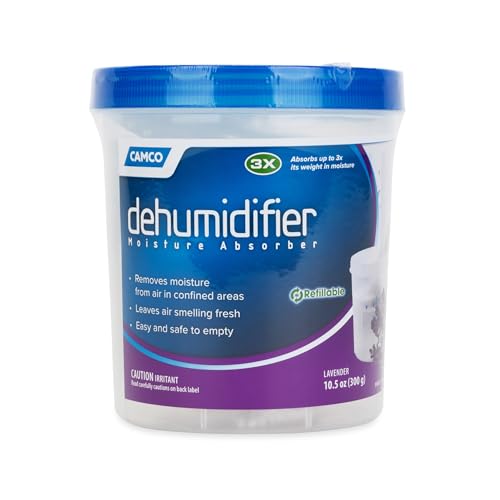
Camco Dehumidifier Moisture Absorber (44280)
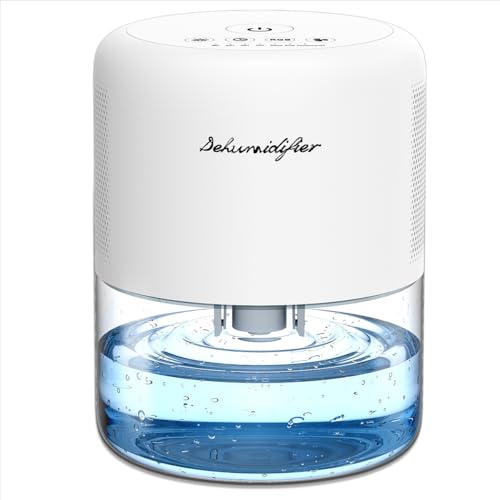
NeedDuck Small Quiet Dehumidifier 44OZ Tank

Zarpax Hanging Moisture Absorber 10.6 oz

NineSky 1000 Sq.Ft Dehumidifier 95oz Tank
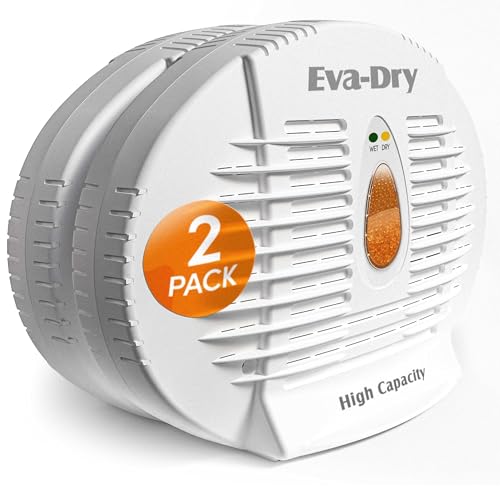
Eva-Dry E-500 Renewable Silica Gel Dehumidifier 2-Pack
More Details On Our Top Picks
Camco’s bucket-style absorber fits the kind of cramped storage spots that show up in trailers, especially under sinks, in pass-through bays, or tucked beside gear. The no-fragrance bead formula keeps the setup simple, and the replace-when-gelled routine is easy to understand even during a busy travel week.
It stands apart from the electric picks later in the list because it asks for no outlet and no tank emptying. The trade-off is plain, it works more like a passive moisture collector than a powered dehumidifier, so it suits storage control better than damp living space cleanup.
What We Like
- Passive design keeps it useful in trailer storage areas without power.
- No-fragrance beads fit shared spaces where scent can get annoying fast.
- Bucket format is easy to place in narrow compartments.
- Simple replacement routine helps keep upkeep low during trips.
Small Caveats
- It suits storage corners better than open living areas with heavier humidity.
- You still need to check the beads and replace the unit when it gels.
Core Details
Who It Suits Best
You’ll get the most from this pick in a travel trailer that needs quiet, no-power moisture control in storage compartments, closets, or cabinets.
A Better Fit Elsewhere
NeedDuck’s small quiet dehumidifier makes more sense for you if your trailer has reliable power and you want active moisture removal in a lived-in space.
This Camco absorber follows the same passive lane as the bucket model, but the refillable setup gives it a different rhythm in long-stay trailer use. You can place it in closets, cabinets, or bathroom storage where a compact moisture catcher makes more sense than a plugged-in machine.
The refillable design tends to appeal to owners who want less packaging turnover and a more reusable routine. That said, it still lives in the world of modest, localized moisture control, so it feels best suited to smaller spaces rather than the main living area after a soaked weekend.
Reasons To Buy
- Refillable setup can stretch usefulness across multiple trips.
- Handles small enclosed spaces well, especially closets and cabinets.
- Absorbing performance fits damp storage more naturally than active living-space drying.
- Works without cords, fans, or drain planning.
Areas To Watch
- Refilling adds a little upkeep compared with a sealed passive unit.
- It is not the right match for broad trailer interiors with serious condensation.
Feature Rundown
Who Will Love This
It suits trailer owners who want a reusable passive absorber for closets, under-bed storage, or a compact wet-prone corner.
Swap It Out When
Zarpax’s hanging moisture absorber is the better call for you if wall or door-mounted placement matters more than a refillable bucket format.
NeedDuck is the powered pick in this group, so it changes the conversation from passive absorption to active moisture management. The 44oz water tank, auto defrost, and shutoff features make sense in a travel trailer that has a steady power source and a spot where you can check the tank without hassle.
The 10 color lights and four timer settings add convenience, though not everyone will care about the light show in a compact RV space. For a camper bedroom or bathroom, the quieter footprint is the main draw, and the auto functions help it feel less hands-on than a bare-bones machine.
Highlights
- Auto shutoff helps reduce worry about an overfilled tank.
- Auto defrost supports use in cooler conditions common in shoulder-season travel.
- Four timer settings give you more control over run time.
- Quiet operation suits sleeping areas better than louder appliances.
- 44oz tank size keeps it practical for a small room or trailer zone.
Worth Noting
- The lighting feature adds style, but it is not essential to moisture control.
- Tank emptying and placement matter more here than with the passive Camco picks.
- Powered use makes it less convenient for storage without electricity.
Technical Sheet
The Right Fit
You’ll appreciate this one most in a travel trailer with power access, especially in a bedroom, bathroom, or day-use living area.
Look Elsewhere When
Eva-Dry’s E-500 makes more sense if you want a cordless unit for storage bays or places where plugging in is inconvenient.
Zarpax goes after the kind of dampness that shows up in hanging storage, closet doors, and narrow cabinet runs inside a trailer. The activated charcoal element gives it a different profile from the Camco absorbers, since it is aimed at moisture and odor control in a suspended format.
A set of ten gives you room to spread protection across several tight spots, which is handy in an RV layout with more than one small enclosure. The honest read is that these are convenience pieces, not heavy-duty drying machines, so they suit maintenance more than rescue work.
Positives
- Hanging format is useful where shelf space is already spoken for.
- Activated charcoal adds an extra layer of freshness control for enclosed spots.
- Pack of ten covers multiple compartments in one pass.
- Easy to distribute through a travel trailer with several small storage zones.
Points To Note
- Best suited to small, enclosed areas rather than open trailer living space.
- Hanging placement works best where you have a hook or rod available.
- Routine replacement still matters, especially in damp seasons.
Core Details
Built With In Mind
This fits trailer owners who want low-profile moisture help in closets, hanging storage, or other small compartments.
Where A Sibling Pick Shines
Camco’s bucket-style absorber is the better match for you if a stable floor or shelf unit feels easier to manage than multiple hanging bags.
NineSky is the bigger powered option here, and that matters in a travel trailer that traps moisture after showers, cooking, or a long stretch with windows shut. A 95oz tank gives you more room before emptying, while the 1000 sq. ft. coverage claim makes it the most room-oriented pick in this list.
The 7-color ambient light is a nice touch for a bedroom or lounge area, though it is more about mood than moisture work. Compared with NeedDuck’s smaller tank, this one reads like the better step up for a larger trailer layout or for a setup that keeps running through a damp weekend.
Best Bits
- Larger tank reduces how often you need to empty it.
- Coverage claim suits bigger trailer interiors or connected rooms.
- Quiet operation is helpful in sleeping or lounge areas.
- Auto shutoff keeps tank management simpler.
- Ambient light adds a softer look for living spaces.
Room For Improvement
- The larger format takes up more visual and physical space than the passive absorbers.
- Light features matter less than performance for most trailer setups.
- Powered use means you need a dependable outlet nearby.
Details At A Glance
Whose Shelf It Belongs On
You’ll get the most from this pick in a larger trailer, or in a setup where humidity lingers across more than one room.
Another Choice May Suit
Camco’s refillable moisture absorber is the easier fit for you if your goal is low-maintenance control in a small closet or cabinet rather than powered drying.
Eva-Dry takes a very different path from the powered NineSky and NeedDuck units, because it leans on renewable silica gel and no batteries at all. That makes it especially useful in RV cabinets, gun safes, storage corners, and trailers where you want a cordless setup that can sit quietly in the background.
Each unit is rated for 500 cu ft, which helps you spread them across multiple smaller spaces instead of asking one device to cover the whole trailer. The renew-by-plugging approach is tidy, though it does mean this pick is more about periodic refreshes than continuous heavy moisture removal.
Positives
- Cordless design works well in places without easy power access.
- Two-pack setup gives you flexibility across several trailer compartments.
- Renewable format supports repeated use over a long stretch of ownership.
- Silica gel is a tidy fit for closets, cabinets, and small storage spots.
Honest Caveats
- Best for smaller enclosed spaces, not large open trailer interiors.
- It relies on occasional renewal rather than continuous powered drying.
- You still need to think about placement and spacing inside the trailer.
Feature Snapshot
Made For
This is the better match for travel trailer owners who want quiet, cordless moisture control in cabinets, closets, or other compact spaces.
Reach For A Different Pick When
NineSky is the better fit if your trailer needs active room-level drying and you have power available for a larger unit.
How To Choose The Right Dehumidifiers For Travel Trailer
Start With The Space You Actually Use
Trailer humidity control starts with where dampness shows up. Small cabinets, under-bed storage, and closets usually do better with passive absorbers like Camco or Eva-Dry, while a bedroom or main living area may need a powered unit such as NeedDuck or NineSky.
Coverage claims matter, but only inside the footprint you really need to dry. A 1000 sq. ft. rating can be useful for a larger trailer or open layout, yet a compact absorber can still be the smarter call for tight storage.
Match The Unit To Power Access
Some trailers have easy outlet access, others do not. Cordless picks avoid cable clutter and work well in storage bays, while electric units ask for a stable power source and a place to manage the tank.
That trade-off often decides the winner in real use. A plug-in unit helps more with active moisture, but a no-power absorber is easier to place and forget in a moving trailer.
Think About Upkeep Before You Commit
Tank emptying, refill cycles, and replacement timing shape how pleasant a dehumidifier feels over a season. If you travel often, low-maintenance options can spare you from checking equipment every stop.
Charcoal bags, refillable absorbers, and silica gel units all have upkeep of some kind, though it is usually lighter than managing an electric tank. The right choice depends on whether you prefer simple placement or a more active drying routine.
Look At Fit, Not Just Moisture Claims
Size and shape matter in a trailer where every inch counts. Bucket units sit differently from hanging bags, and a small powered tower can block a walkway if you do not plan the placement first.
For most travel trailer owners, the best match is the one that disappears into daily use. A unit that fits your storage, your electrical setup, and your cleaning habits will feel easier to live with than a larger model with stronger specs on paper.
What To Weigh Before You Click
Common Shopping Slip Ups
A lot of trailer setups need smaller, targeted moisture control, yet it’s easy to overbuy a large powered unit for a closet-sized problem. That can leave you with extra bulk and upkeep you did not really need.
Another common miss is forgetting placement. Hanging bags need somewhere to hang, bucket absorbers need a stable spot, and powered models need room for airflow plus a nearby outlet.
The Upgrade Payoff
Higher-tier electric models usually cost more because they bring larger tanks, auto shutoff, timers, and broader coverage. Those features matter most in trailers that stay closed up for long stretches or trap humidity after cooking and showering.
Paying up makes sense when you want less manual work and better room-level control. A passive absorber still has a place, but a more capable unit feels worth it when dampness reaches beyond one small corner.
Frequently Asked Questions
Do travel trailers need electric dehumidifiers?
Not always. Small storage areas often do fine with passive absorbers, while larger living spaces usually benefit from a powered unit.
Which type works best for a parked trailer?
Passive buckets, hanging bags, and silica gel units work well in parked trailers with limited power. A plug-in model suits a trailer that stays connected and needs stronger room control.
How often should you empty a powered unit?
That depends on humidity, tank size, and how much you use the trailer. In a damp weekend setup, checking the tank regularly is the safer habit.
Are hanging absorbers useful in RV closets?
Yes, they fit neatly where shelf space is tight. They are especially handy for closets, small cabinets, and narrow storage doors.
What matters more, tank size or coverage?
Both matter, but in different ways. Tank size affects how often you empty the unit, while coverage tells you how much space it can realistically handle.
Closing Thoughts
The right dehumidifier for your travel trailer depends less on brand and more on how you use the space. A passive absorber works well for storage and tight compartments, while a powered unit makes more sense for bedrooms, bathrooms, or larger living areas. Focus on fit, upkeep, and where the moisture actually shows up, and you’ll land on a setup that feels easy to live with on the road.